Classic cars are not just vehicles. They are rolling history, mechanical art, and in many cases, serious financial assets. Whether you own a vintage muscle car or a beloved European roadster, its value need not remain stagnant. With the right approach, you can actively increase its value. The collector car market has grown significantly over the past decade. Buyers are more informed than ever. They know what to look for, and they will walk away fast if something feels off. That means the way you treat your car today directly affects what someone will pay for it tomorrow. This guide covers 9 ways to boost the value of your classic car in practical, proven terms. These are not vague suggestions. Each tip is something you can act on right now.
Keep It Clean – Inside and Out
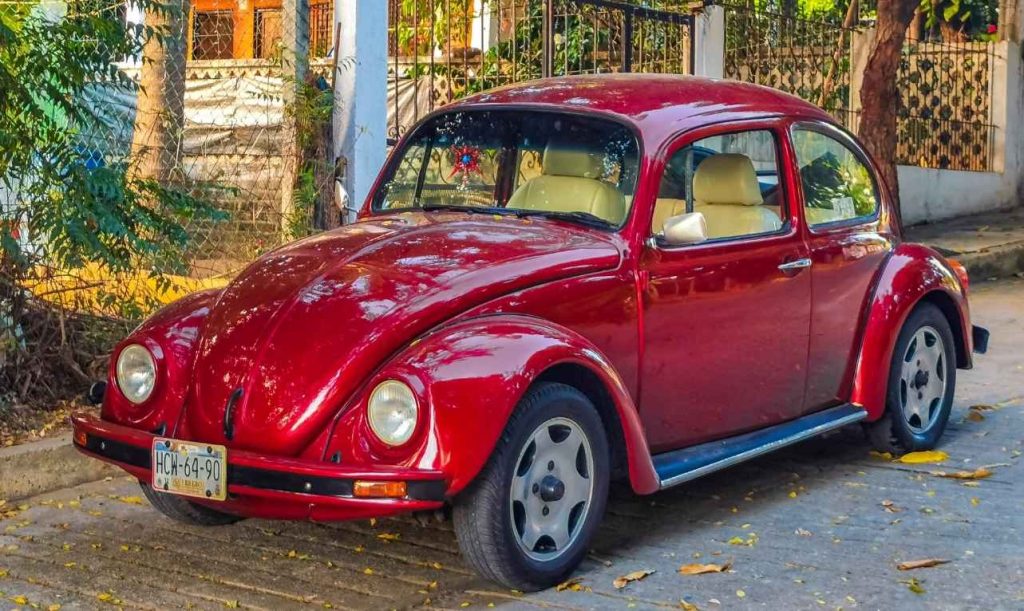
First impressions stick. A classic car that looks well cared for immediately signals to a buyer that the mechanical side probably is too. Dirt, grime, and neglect tell a very different story.
Regular washing protects the paintwork from contaminants that cause long-term damage. Bird droppings, road salt, and tree sap are particularly aggressive. Left too long, they etch into the clear coat or original paint and become expensive problems.
The interior matters just as much. Cracked leather, faded carpets, and grimy dashboards pull down perceived value fast. Clean and condition interior surfaces regularly. Use products suited to the specific materials in your car. A fresh-smelling, clean cabin makes a strong impression during any viewing.
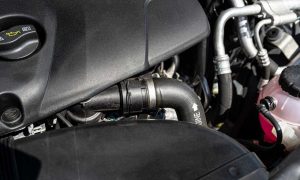
Do not overlook the engine bay either. A clean, degreased engine compartment shows a buyer that maintenance has been taken seriously. It does not need to be showroom perfect, but it should look like someone actually cares.
Stick to the Service Schedule
Skipping services might save money short term. Long term, it costs far more. Buyers and appraisers know exactly what deferred maintenance looks like, and they price accordingly.
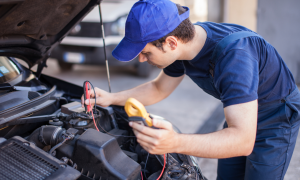
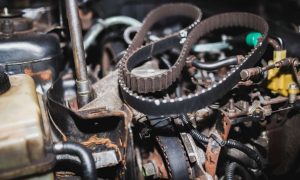
Follow the manufacturer’s recommended service intervals precisely. Change the oil, check the cooling system, inspect the brakes, and replace worn belts and hoses on schedule. These are not optional steps. They are what keeps a classic car running the way it should and worth what it should.
A car with a clean, consistent service history commands a premium. Keep every receipt and record. Even small jobs matter when you are building a documented maintenance trail. Think of each service as a deposit into the car’s long-term value account.
Use Authentic, Original-Spec Parts
There is a reason why numbers-matching classics sell for significantly more than modified versions. Originality is everything in the collector car world. When a part needs replacing, always try to source the correct specification for your model and year.
Authentic parts preserve the mechanical integrity of the car. They also reassure buyers that the vehicle has not been pieced together with generic alternatives. Original equipment manufacturer parts, period-correct components, and correctly coded components all contribute to a stronger valuation.
Reproduction parts are sometimes acceptable when originals are not available. However, be upfront about what has been used and why. Transparency builds trust. Trust builds value.
Protect the Underside
Most people focus on the bodywork they can see. Savvy buyers always check underneath. The underside of a classic car tells the real story of how it has been treated over the years.
Rust is the single biggest threat to a classic car’s value. It starts in hidden areas, frame rails, floor pans, wheel arches, and sill sections before becoming visible. Once structural rust takes hold, repair costs escalate quickly and value drops sharply.
Treat exposed metal with a quality rust inhibitor. Consider professional underseal application if the car is regularly driven. Catching surface rust early and treating it properly protects both the car’s structure and its market value. A solid underside gives buyers confidence that the car has been genuinely maintained, not just polished for a sale.
Upgrade with Sensible Modifications
Not all modifications are bad. Some actually add value when done correctly. The key word is sensible. Performance upgrades, safety improvements, and period-correct enhancements can appeal to buyers who want a classic that is also enjoyable to drive.
Avoid anything irreversible that strays too far from the original specification. A sympathetic Weber carburettor upgrade on a classic Italian sports car might be well received. A modern infotainment screen bolted into a 1960s dashboard almost certainly will not be.
If you do modify anything, keep the original parts. Store them safely and offer them as part of the sale. A buyer who wants to return the car to stock condition will pay more if the original components are included.
Store It Properly
How and where you store a classic car has a direct impact on its long-term condition. Exposure to moisture, temperature swings, and UV light all cause deterioration over time.
A dry, ventilated garage is the minimum. Ideally, the space should be climate-controlled and free from damp. Concrete floors can draw moisture upward, so consider using rubber matting or a breathable car cover if the environment is less than ideal.
For long-term storage, there are additional steps worth taking. Keep the battery on a trickle charger, use a fuel stabiliser, and check tyre pressures regularly. These small habits prevent the kind of deterioration that makes a car harder to sell and easier to undervalue. Some owners also invest in a dehumidifier for the garage space itself, which is a simple and affordable solution that pays dividends over time.
Restore Where It Counts
Full restorations are expensive and do not always deliver a return on investment. Strategic, targeted restoration is a smarter approach. Focus on the areas that most affect value and buyer perception.
Paintwork is usually the place to start. A tired, faded, or poorly repaired paint job immediately reduces perceived value. A correct colour respray, done to a high standard, can transform how a car is received. Always use the correct factory colour code.
Chrome trim, brightwork, and glass condition are also high-impact areas. Pitted chrome or crazing on glass creates a sense of overall neglect even if the rest of the car is solid. Address these areas before presenting the car for sale or appraisal.
Document Everything
Documentation is one of the most underrated aspects of classic car ownership. A well-documented car is simply worth more. It removes doubt, answers questions before they are asked, and gives buyers confidence.
Gather everything you can. Original sales documents, service records, restoration invoices, parts receipts, and MOT certificates all contribute to a coherent ownership history. If the car has any competition history or notable provenance, make sure that is documented too.
A comprehensive history file can be the difference between a buyer making a full asking-price offer and asking for a significant discount. Treat your paperwork as seriously as you treat the car itself. Some collectors even photograph each stage of a restoration and compile a visual record alongside the written documentation. That level of detail is genuinely impressive to serious buyers.
Join a Car Club
Car clubs are genuinely useful, not just socially but financially. Membership connects you with specialists, suppliers, and a community of owners who have deep knowledge of your specific model.
Club members often share leads on rare parts, correct specifications, and trusted restoration professionals. That access alone can save money and improve the quality of work done on your car. Many clubs also offer valuations, technical support, and access to club registers that verify a car’s history.
Being an active member signals commitment to the hobby. Some buyers actively look for cars with club history because it suggests the previous owner cared deeply about maintaining standards. Club correspondence, event attendance records, and technical bulletins can all be included in your history file as further evidence of responsible ownership.
Conclusion
Protecting and growing the value of a classic car is not complicated. It is consistent. Every wash, every service, every original part and every carefully kept receipt contributes to the bigger picture. Small habits compound into serious financial gains over time.
The classics that fetch the strongest prices at auction or in private sales are rarely the most exotic. They are the ones that have been genuinely cared for. Buyers can feel the difference between a car that has been looked after and one that has simply survived.
Whether you are preserving a car you love or building an asset you plan to sell, the 9 ways to boost the value of your classic car outlined here give you a practical starting point. Pick one area to focus on this week. Then move to the next. Your car will thank you, and so will your bank account.
Also Read: Common Myths About Washing Cars In Winter
FAQs
Keep it in a dry, ventilated space. Use a trickle charger, fuel stabiliser, and check tyres regularly.
Irreversible or non-original modifications usually do. Sensible, reversible upgrades with original parts retained are generally better received.
Very. A full history file increases buyer confidence and often supports a higher asking price.
Yes. Club membership provides access to parts, specialists, and verified history, all of which support stronger valuations.