Old cars are tricky to sell. You know the thing runs fine, but convincing a stranger of that is a whole different challenge. Here is the reality: most sellers leave money on the table because they either do too much or too little before listing. A transmission overhaul on a 2005 Corolla is not going to get you an extra five grand. But cleaning the interior and fixing that cracked taillight? That might actually move the needle. Knowing how to increase the value of old cars comes down to being smart, not spendy. This guide covers the areas that actually matter — the ones buyers notice, ask about, and use to justify their offer. Skip the guesswork and work through each section before you post that listing.
Use Recent Repairs as a Selling Point
Here is something most sellers never think to do — use the money they have already spent as a reason to ask for more. If you replaced the alternator eight months ago, say so. New tires last year? Put that front and center. Buyers are not just paying for a car. They are paying to avoid problems for the next year or two.
Pull together every receipt you can find. Oil changes, brake jobs, battery replacements — all of it counts. Lay them out in a folder and have it ready during viewings. A paper trail communicates something a clean exterior never could. It says the previous owner actually cared.
Some buyers will not even look at the receipts. But the fact that you have them changes the energy of the conversation. It shifts you from a random private seller to someone who took ownership seriously. That shift, believe it or not, affects what people are willing to pay.
Tread Carefully When It Comes to the Big Stuff
This is where sellers tend to go wrong. They sink eight hundred dollars into a repair, convince themselves the car is now worth a thousand more, and then watch it sit on the market for two months. Major repairs on older cars rarely return what they cost.
Understanding Which Repairs Are Worth It
The math on big repairs almost never works out. Say your car needs a new catalytic converter. That job might run four to six hundred dollars. But comparable cars in your area are selling for three thousand. Spending that money does not suddenly make your car worth thirty-five hundred. Buyers price based on year, mileage, and condition — not what you spent last week.
Before touching anything expensive, spend thirty minutes researching similar listings. Look at actual sold prices if you can find them. If the repair cost brings you above what the market will bear, skip it. There are smarter places to put that money.
Knowing When to Disclose Instead of Fix
Sometimes the honest move is also the strategic one. Plenty of buyers out there want a project. They are mechanics, weekend hobbyists, or people who just enjoy working on cars. These buyers are not scared of a known issue — they have already budgeted for it.
Price the car fairly, be upfront about what needs attention, and you will attract the right kind of buyer faster than you think. What you want to avoid is the buyer who finds a problem during inspection that you already knew about. That kills deals and ruins trust instantly. Honesty, priced accordingly, closes sales.
Check the Warning Lights
A glowing check engine light on a test drive is about the fastest way to lose a buyer. It does not matter if the code is something minor. Buyers see that light and immediately start doing the mental math on worst-case scenarios.
Diagnosing Common Warning Light Issues
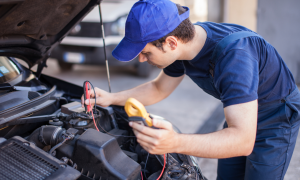
A lot of warning lights are triggered by stuff that costs almost nothing to fix. Loose gas caps, minor sensor faults, and small vacuum leaks can all set off the check engine light. An OBD-II scanner, which you can pick up for around thirty dollars at any auto parts store, tells you exactly what code is stored. That information alone is worth having before you price the car.
Some codes can be cleared with a scan tool after the underlying issue is fixed. Others require a proper drive cycle to confirm the fix is held. Either way, knowing what you are dealing with puts you in a better position — whether you fix it or just explain it honestly to buyers.
Addressing Lights That Signal Real Problems
Oil pressure, coolant temperature, and battery warning lights are a different story. These are not lights to dismiss or clear without addressing the cause. A car that throws a temperature warning during a test drive is not going to sell that day.
Get a proper diagnosis for anything serious. If the repair cost is too high, a mechanic’s written estimate serves a purpose. Sharing it with buyers shows you investigated the issue honestly. It gives them real numbers to work with. Serious buyers actually appreciate that kind of transparency more than a dashboard that’s cleared.
Make the Easy Fixes
Small things have a surprisingly large effect on how a car is perceived. A cracked side mirror, a burned-out turn signal, a door that does not close cleanly — these details tell buyers the car has been neglected. Fixing them sends the opposite message.
Targeting Quick Wins That Change First Impressions
Walk around the car slowly and pretend you have never seen it before. Check every light. Try every door handle. Look at the windshield for chips. Test the windows, the wipers, and the horn. These are the things buyers check during the first five minutes of an inspection.
Most of these fixes cost almost nothing. A replacement bulb is a few dollars. A wiper blade is under fifteen. A tube of paint touch-up from the auto parts store handles chips and scratches in under ten minutes. None of these things are glamorous, but together they tell a story about how the car was kept.
Tackling the Interior Before Showings
Buyers spend time inside the car. They look at the seats, run their hands over surfaces, and notice smells immediately. A musty interior with cracked plastic panels and a mysterious stain on the passenger seat is hard to unsee.
Shampoo the carpets if you can. Wipe down every plastic surface. Check if any interior trim pieces have come loose and clip them back in place. Replacement parts for common interior components are often available cheaply through salvage yards or online. A clean, neutral-smelling interior quietly signals that the car was lived in well.
Make Sure It Looks As Good As Possible
Before anyone drives the car, they look at it. Photos online, then in person — both moments matter more than most sellers realize.
A proper hand wash is the starting point. Machine washes are convenient but they miss a lot. Get in the wheel wells, clean the door jambs, and scrub the lower panels where road grime builds up. After washing, a coat of paste wax brings out a shine that even older paint can still produce. It photographs well and holds up during in-person viewings.
Clean the wheels properly. Brake dust baked onto rims looks terrible and is easy to remove with a decent wheel cleaner. While you are at it, dress the tires. Dull sidewalls age a car fast. A fresh coat of tire shine costs a few dollars and makes a bigger visual difference than most people expect.
Pop the hood and give the engine bay a light clean. It does not need to be spotless. Just free of oil sludge and visible grime. Buyers who check under the hood during a viewing form quick impressions. A reasonably clean engine bay suggests the car was not run into the ground.
When it comes to photos, shoot in natural light and take more than you think you need. Different angles, interior shots, under the hood, the trunk, the tires — all of it. Buyers scroll past listings with two dark photos. Good photos generate more inquiries, and more inquiries means more leverage on price.
Conclusion
Getting more money for an old car is not about spending more — it is about spending right. Fix the small stuff. Document the work already done. Be straight about what needs attention. Clean the car properly and photograph it well. These things consistently make a difference in how buyers respond and what they offer.
Buyers are not just evaluating metal and rubber. They are evaluating whether they can trust the seller. Show them you know your car, stood behind it, and are asking a fair price. That combination closes deals faster and for more money than any expensive repair ever will.
Also Read: How Often Do Electric Cars Catch Fire?
FAQs
Document repairs, fix visible small issues, and present the car cleanly. These steps cost little but consistently improve buyer offers.
Rarely enough to justify the cost. Touch up chips and scratches instead. Buyers price by age and mileage, not fresh paint.
Fix cheap, visible problems. For expensive repairs, get a written estimate and use it during price negotiations instead.
A lot. A clean car attracts more interest and supports a higher asking price. Presentation directly affects perceived value.