Your car took a hit. Maybe it was a fender bender in a parking lot. Maybe it was something worse. Either way, something feels off — the steering pulls, the tires wear unevenly, or the doors just don’t close right anymore. That’s not just cosmetic. That’s your frame talking. Frame alignment is the process of restoring a vehicle’s structural geometry to factory specifications after damage. It’s not a quick fix. It’s a precise, technical correction that affects how your car handles, how safe it is in a future crash, and whether it will last another hundred thousand miles. So what is frame alignment, and when do you need it? Let’s get into it.
Why Frame Alignment Matters for Safety and Drivability
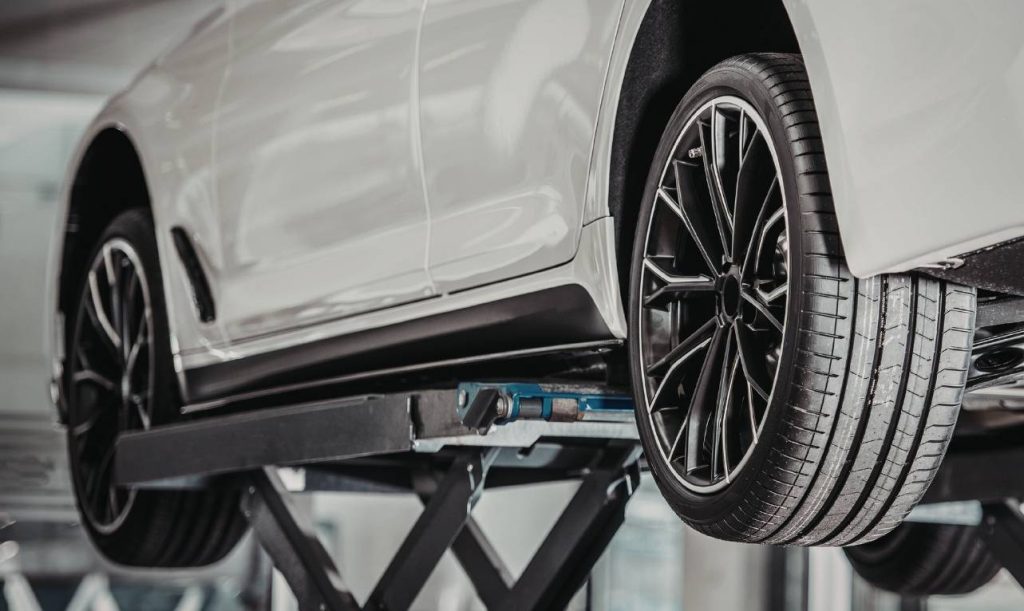
A vehicle’s frame is its skeleton. Every system — suspension, steering, drivetrain — depends on that skeleton being straight. When it bends or twists, even slightly, the effects ripple outward.
Misaligned frames cause uneven tire wear. They make the car pull to one side. They put stress on components that weren’t designed to carry it. Over time, that stress compounds. What starts as a shimmy becomes a handling problem. A handling problem becomes a safety risk.
Crash performance is another major concern. Modern vehicles use crumple zones — areas engineered to absorb energy in a collision. When the frame is already compromised, those zones don’t work as designed. A second impact, even a minor one, can cause catastrophic damage because the structure can’t respond properly.
Drivability suffers too. Drivers often notice something feels “wrong” after a collision, even when the visible damage looks minor. The car may feel loose or unpredictable at highway speeds. It may vibrate in ways it never did before. These aren’t random quirks. They’re symptoms of structural misalignment.
Correcting the frame isn’t just about making the car look whole again. It’s about restoring its ability to protect you.
How Modern Shops Measure and Correct Structural Damage
Frame repair has changed dramatically over the past two decades. Modern collision centers don’t eyeball damage or rely on guesswork. They use engineering-grade tools and structured processes to diagnose and correct structural problems with real precision.
Damage Analysis and Blueprinting
Before any repair begins, the vehicle goes through a thorough assessment. Technicians start with a visual inspection, but that’s just the first layer. They look for signs of secondary damage — areas that absorbed force indirectly, like control arm mounts, firewall sections, or rear subframe points.
Blueprinting follows the inspection. This step creates a repair plan that accounts for all identified damage, the correct repair sequence, and the parts required. Skipping blueprinting is one of the most common mistakes in lower-quality shops. Without it, technicians fix what they see and miss what’s hidden. That’s a problem, because collision forces travel through metal in unpredictable ways. A front-end impact can shift the B-pillar. A rear hit can misalign the front strut towers.
Good blueprinting also documents pre-existing conditions. This matters for insurance purposes and protects both the shop and the vehicle owner. The blueprint becomes the foundation of the repair. Everything else is built on it.
3D Structural Measurement
This is where modern frame repair separates itself from older methods. Three-dimensional measurement systems use laser or ultrasonic sensors to map the vehicle’s structural points in space. The measurements are compared against the manufacturer’s original specifications — exact values for every critical reference point on the frame.
Think of it like a full-body scan for your car. The system identifies deviations that are invisible to the naked eye. A frame can look straight and still be off by several millimeters in multiple directions simultaneously. That kind of damage only shows up on a measurement system.
The output is a detailed report showing which points are in spec and which are not. Technicians use this data to prioritize their pulls, track progress during the repair, and confirm that the structure has returned to factory geometry. Without 3D measurement, you’re essentially guessing. With it, you have a map.
Controlled Pulls with Anchoring and Towers
Once the damage is mapped, the actual correction begins. The vehicle is secured to a frame bench or pulling system using anchor points. These anchors keep the car stationary while hydraulic towers apply controlled force to specific structural areas.
The pulls are deliberate. Technicians work from the manufacturer’s measurement data to determine the direction and magnitude of each correction. They don’t just pull until it looks right — they pull until the measurement system confirms it’s right. That distinction matters enormously.
Multiple pulls are often required. Collision damage is rarely isolated to one point. A technician might correct the front rail first, then re-measure, then address the cowl, then re-measure again. Each correction can affect adjacent areas. Patience and sequencing are everything here.
Technicians may apply heat in some cases to assist with metal correction, but only where appropriate. They should generally avoid heating structural steel in high-strength areas, as doing so can alter the material properties and compromise the integrity of the repair.
Metal Repair Best Practices
Frame repair isn’t just about pulling metal back into position. The quality of the metalwork itself determines whether the repair holds long-term. Technicians must decide what to straighten and what to replace. Not all deformed metal can or should be corrected in place.
High-strength steel, now standard in most modern vehicles, has specific repair requirements. Technicians cannot always reshape it without weakening it. Manufacturers publish repair procedures for every model, specifying which sections technicians can repair and which they must section and replace. Following those procedures isn’t optional — it’s the difference between a structurally sound repair and a liability.
Welds must match OEM specifications for placement, type, and strength. Poor welds introduce weak points into the structure. A poorly welded repair might pass a visual inspection yet fail in a collision. Quality shops follow the manufacturer’s welding procedures to the letter.
Corrosion protection is another non-negotiable step. Any area where the factory coating has been disturbed must be treated and resealed. Bare metal in a structural cavity will rust. Rust weakens the frame over time and can make future repairs far more complex.
Verification, Documentation, and QC
The repair isn’t finished when the last pull is made. Verification is its own phase, and it’s just as important as everything that came before. The vehicle returns to the measurement system for a final scan. The technician checks every structural point against spec. If anything falls outside tolerance, they go back in.
The shop generates documentation throughout this process. Technicians compile measurement reports, repair blueprints, and parts records into a file that travels with the vehicle. This documentation proves the work was done correctly. It matters for resale value and future claims. It matters if anything is ever disputed.
Quality control is the final checkpoint. A qualified technician or shop manager reviews the completed repair against the documentation. The vehicle may also undergo a test drive and a wheel alignment to confirm that handling has returned to normal. Only then is it ready to leave the shop.
Conclusion
Frame alignment isn’t a luxury service. It’s a fundamental part of restoring a vehicle after structural damage. Skip it, and you’re driving a car that handles poorly, wears out components faster, and may not protect you the way it should in another collision.
The process — blueprinting, 3D measurement, controlled pulls, metal repair, and verification — is methodical for a reason. Each step builds on the last. Cut one out, and the integrity of the whole repair is compromised.
If your vehicle has been in a collision, don’t settle for a shop that eyeballs the damage. Ask about their measurement system. Ask how they document their work. The answers will tell you everything about the quality of the repair you’re about to receive.
Also Read: What’s the Difference Between Your Air Filter and Cabin Filter
FAQs
Common signs include uneven tire wear, pulling to one side, doors that don’t close properly, and visible gaps in body panels.
Yes, in most cases. Modern measurement and pulling systems can restore factory geometry. Severely damaged frames may require partial replacement sections.
It can, especially if repairs aren’t properly documented. A verified, well-documented repair by a reputable shop minimizes the impact significantly.
It depends on the extent of the damage. Minor corrections may take a day. Complex structural repairs can take several days to complete properly.