Let’s not sugarcoat it—currency trading can feel confusing at first.
You open a trading platform, see charts moving up and down, and suddenly everyone is talking about “pips,” “spreads,” and “leverage.” It’s easy to feel like you’re late to the party or missing something obvious.
But here’s the reality: every experienced trader once stood exactly where you are right now.
So if you’re asking, ” What are The Basics of Currency Trading?, you’re already on the right path.
In this article, we’re going to break things down in plain English. No unnecessary jargon. No complicated theories. Just the core ideas you actually need to understand how the forex market works.
We’ll talk about how currencies are traded, what really moves the market, and why some traders succeed while others burn out quickly. I’ll also share a few real-world examples to make this feel less like a textbook.
By the end, you should feel a lot more confident—and maybe even a little excited—to explore forex further.
The 24/5 Market
A Market That Never Really Stops
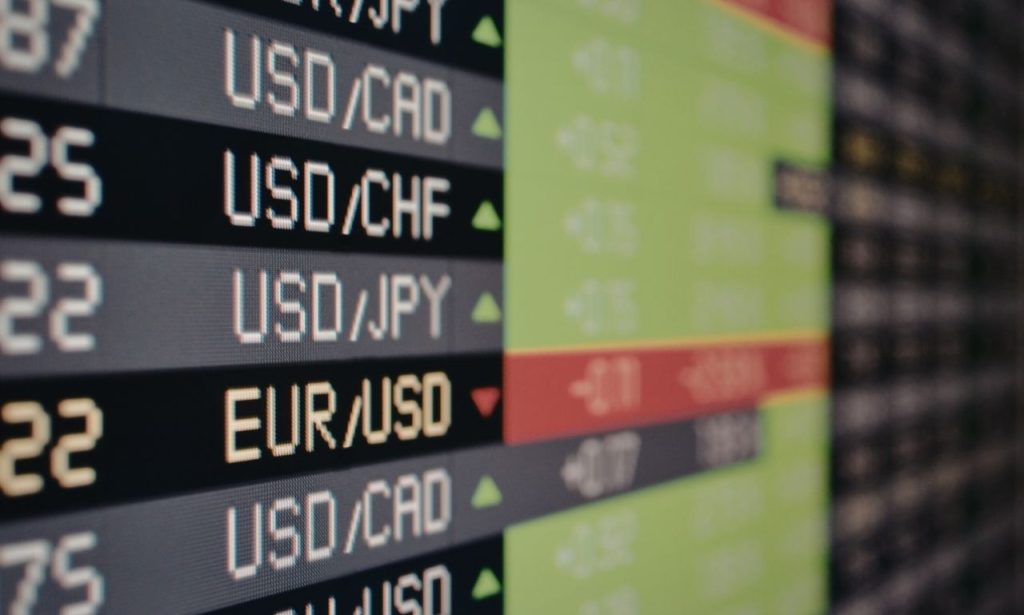
Here’s one thing that surprises most beginners: forex doesn’t close during the week.
Unlike stock markets that have fixed opening and closing times, the currency market keeps moving. It simply shifts from one part of the world to another.
Sydney kicks things off. Then Tokyo steps in. London takes over next, and finally New York closes the loop.
And then it starts all over again.
What does that mean for you? It means there’s almost always an opportunity somewhere—but also a risk if you’re not paying attention.
I remember staying up late during the Brexit vote. Prices were swinging wildly before sunrise. That’s the kind of environment you’re stepping into.
Why Liquidity Is a Big Deal
Now, let’s talk about something that doesn’t get enough attention—liquidity.
Forex is one of the most liquid markets in the world. There’s always someone buying or selling, especially in major pairs like EUR/USD.
That’s good news. It means trades execute quickly, and price movements are usually smooth.
But—and this is important—liquidity can disappear during major news or quiet hours. When that happens, prices can spike unexpectedly.
And that’s when beginners get caught off guard.
Timing Isn’t Everything—But It Matters
Not all trading hours are created equal.
The London session is known for fast moves and higher volatility. Meanwhile, the Asian session tends to be slower and more predictable.
So instead of asking, “When is the best time to trade?” ask yourself, “When do I think clearly?”
Because trading while tired or distracted? That’s a recipe for mistakes.
The Interbank Market
Where the Real Decisions Are Made
Let’s clear something up.
Retail traders don’t control the forex market.
Big banks do.
The interbank market is where large financial institutions trade currencies directly with one another. We’re talking about billions—sometimes trillions—of dollars moving daily.
When you place a trade, you’re essentially following the ripple effect of those transactions.
How Prices Actually Shift
At its core, forex is driven by supply and demand.
If more people want to buy a currency, its price rises. If more people want to sell it, the price drops.
Simple, right?
But in reality, things can change in seconds.
Take the Swiss franc shock in 2015. The central bank removed its currency cap, and suddenly the market went into chaos. Prices jumped so fast that many traders couldn’t react in time.
That moment taught many people a tough lesson: the market doesn’t wait for anyone.
Choosing the Right Broker
Your broker is more important than you might think.
They’re your gateway to the market. If execution is slow or spreads are wide, it can eat into your profits.
Some brokers act as market makers. Others connect you directly to the market.
Either way, reliability matters.
I’ve seen traders spend months perfecting strategies—only to struggle because of a poor broker choice.
Don’t overlook this step.
Economic Fundamentals
The Numbers Behind the Movement
Every currency tells a story about its country’s economy.
When economies are strong, their currencies usually follow.
That’s why traders pay attention to reports like GDP growth, employment data, and inflation.
For example, strong U.S. job numbers often push the dollar higher. Investors see strength and respond quickly.
Central Banks Call the Shots
If there’s one group you should never ignore, it’s central banks.
They control interest rates, which in turn influence currency demand.
Higher rates attract investors looking for better returns. Lower rates can push them away.
Remember when the Federal Reserve started raising rates aggressively? The dollar surged. That wasn’t random—it was a direct reaction.
Inflation Isn’t Just a Buzzword
Inflation plays a huge role in forex.
When prices rise too quickly, central banks step in to control things. That action affects currency values.
Understanding this connection gives you a clearer picture of why markets move the way they do.
And honestly, it puts you ahead of most beginners.
Geopolitical Events and Market Sentiment
When the World Impacts Your Trades
Forex doesn’t operate in isolation.
Global events—elections, conflicts, trade deals—can shift the market instantly.
Think about times of uncertainty. Investors tend to shift their money into safer currencies, such as the U.S. dollar.
That’s exactly what happened during the Russia-Ukraine conflict.
The Real Driver: Market Sentiment
Here’s where things get interesting.
Markets don’t just react to facts. They react to expectations.
That’s market sentiment.
Sometimes, traders move based on what they think will happen, not what’s actually happening.
During the COVID-19 pandemic, fear drove the market. Investors rushed to safer assets before all the data was even clear.
That’s the emotional side of trading.
Looking Beyond the Charts
Charts are useful—no doubt about it.
But they don’t tell the whole story.
If you want to improve, start asking: What are other traders feeling right now?
That perspective can change how you approach the market.
Shaping the Modern Forex Market
Technology Opened the Door
Forex used to be exclusive.
Now, it’s accessible to almost anyone with a phone and an internet connection.
I’ve met traders who started on basic mobile apps and built real consistency over time. That kind of access didn’t exist years ago.
The Risks of the Digital World
With accessibility comes responsibility.
Cyber threats like phishing emails, malware, and identity theft are real concerns.
Your Personal Information—bank account details, credit card numbers—needs protection.
Simple steps, such as using multifactor authentication or antivirus software, can make a big difference.
It might not sound exciting, but it’s essential.
Why Regulation Still Matters
Not every broker is trustworthy.
That’s why regulation exists.
Before you commit to a platform, check if it’s properly regulated.
Skipping this step can lead to serious problems later.
Your Gateway to the Market
Starting Without Rushing
Getting into forex is easy.
Doing it properly takes effort.
You need to understand leverage, margin, and how trades are structured before risking real money.
Leverage can be tempting. It makes small accounts feel powerful.
But it also increases risk dramatically.
Why a Trading Plan Changes Everything
A trading plan gives you structure.
It tells you when to enter, when to exit, and how much to risk.
Without it, you’re reacting emotionally.
And emotions? They don’t make great decisions.
I’ve seen traders improve just by writing down their rules. It forces discipline.
Practice as It Matters
Demo accounts are your training ground.
Use them seriously.
Because the habits you build there will show up when real money is involved.
And trust me—real money changes how you think.
The Paramount Importance of Risk Management

The One Thing You Can’t Ignore
If there’s one lesson to remember, it’s this: protect your capital.
You can have a great strategy, but without risk management, it won’t last.
Small Losses Are Part of the Game
Losses happen.
The goal isn’t to avoid them completely. It’s to control them.
That’s where tools like stop-loss orders come in.
They keep losses manageable so one bad trade doesn’t wipe you out.
The Mental Game Is Real
Trading isn’t just technical—it’s psychological.
Fear, greed, and impatience can lead to mistakes.
The difference between average traders and consistent ones often comes down to discipline.
And that’s something you build over time, not overnight.
Conclusion
So, Which are The Basics of Currency Trading?
It’s understanding how the market operates, what drives price changes, and how to manage risk effectively.
Forex offers real opportunities. But it also demands patience, discipline, and continuous learning.
There’s no shortcut here.
If you take the time to understand the basics and build good habits, you’ll be in a much stronger position than most people who jump in too quickly.
Now think about it—are you approaching trading as a skill to master or just a quick way to make money?
That answer will shape your entire journey.
FAQs
It’s buying one currency while selling another to profit from exchange rate changes.
It can be, but only if you take time to learn and practice before risking real money.
You can start small, but having more capital gives you better flexibility and risk control.
Most traders fail because they ignore risk management and let emotions guide decisions.