Most parents know car seats are important. But here’s a question many don’t think about until it’s too late — can you go to jail for not having a child in a car seat? The short answer is yes, in some cases. Laws vary by state, but the consequences can be serious. We’re talking fines, license points, and even criminal charges depending on the situation. This article breaks down what the law actually says, what penalties look like across states, and how to stay on the right side of things.
Louisiana Child Car Seat Laws Explained
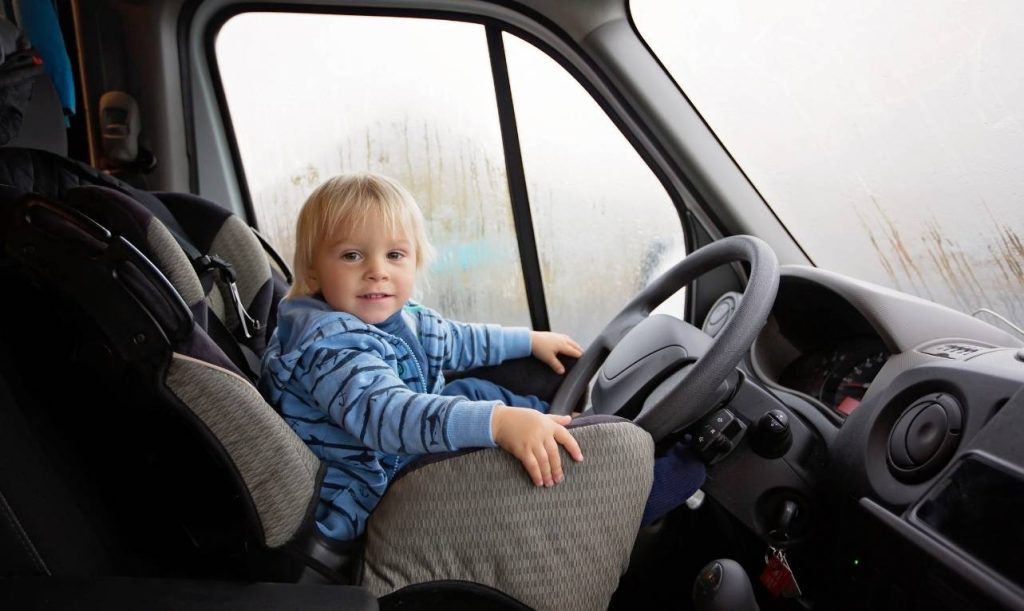
Louisiana takes child passenger safety seriously. All children under the age of 13 must ride in the back seat whenever possible. Children under a certain age and weight must use a federally approved car seat or booster. The law requires rear-facing seats for infants until they outgrow the manufacturer’s height and weight limits. After that, forward-facing seats with harnesses are required.
Louisiana law is clear — ignoring these rules is not a minor issue. A first offense can result in a fine of up to $500. Repeat violations carry steeper consequences. Officers can issue citations on the spot if a child is improperly restrained. Parents and guardians are held responsible, not just drivers.
It’s worth noting that Louisiana periodically updates its child safety laws. Always verify the current requirements through the Louisiana Department of Transportation or a licensed child passenger safety technician.
How To Make Sure You’re Following Child Seat Guidelines
Staying compliant doesn’t have to be complicated. Start by reading the car seat manual carefully — every seat has specific height, weight, and installation requirements. Many parents install seats incorrectly without even realizing it. Studies show that up to 59% of car seats are misused in some way. That’s a staggering number.
Visit a local car seat inspection station. These are often run by fire departments, police stations, or hospitals. A certified technician will check your installation for free in most cases. They will point out any issues and show you how to fix them. This one step alone can make a big difference.
Always register your car seat with the manufacturer. That way, you’ll receive recall notices if something goes wrong. Stay current with your child’s growth. A seat that worked last year might not be appropriate today.
What Is The Penalty For Not Having A Child In A Car Seat?
The penalties for skipping a car seat vary widely. In most states, the first offense results in a fine. Fines typically range from $25 to $500, depending on where you live. Some states also add points to your driving record. This can affect your insurance rates significantly.
Now, can you go to jail for not having a child in a car seat? In standard cases, jail time is uncommon for a first offense. However, if a child is injured or killed because of improper restraint, criminal charges can follow. Charges like reckless endangerment or child endangerment can carry jail sentences. Some states treat repeat violations more harshly than others.
Texas, for instance, allows fines of up to $250 for a first offense. California can fine parents up to $490. Florida imposes fines and mandatory court appearances in certain cases. The law treats this as a child safety issue, and rightly so.
If you’re ever pulled over and your child isn’t properly restrained, be honest with the officer. Some states allow for reduced fines if you show proof of a compliant car seat purchase afterward.
Car Seat Safety Laws
The Basics of Car Seat Safety Laws
Car seat safety laws exist at both the federal and state level. At the federal level, the National Highway Traffic Safety Administration sets standards for how car seats must be manufactured. Every seat sold in the U.S. must meet these minimum safety standards. States, however, set the rules for how and when those seats must be used.
This is where things get specific. Each state determines the age, weight, and height thresholds for different types of restraints. Most states require rear-facing seats for infants and toddlers until they hit certain limits. Forward-facing seats with a harness come next. Then booster seats. Finally, seat belts alone for older children.
The transition between these stages is where many parents make mistakes. Moving a child to the next stage too soon is a common error. A child should stay in each stage as long as the seat’s limits allow. The goal is always maximum protection, not just meeting the legal minimum.
Age and Weight Requirements Across States
This section is important because requirements differ significantly from one state to the next. Most states require rear-facing seats until at least age two. Some states go further and recommend rear-facing until the child maxes out the seat’s limits. Weight thresholds for rear-facing seats typically range from 30 to 50 pounds, depending on the seat model.
Forward-facing seats are generally used for children between 40 and 65 pounds, again depending on the manufacturer. Booster seats are usually for children between 40 and 120 pounds. These ranges explain why knowing your child’s exact measurements matters. Using a seat your child has outgrown can be just as dangerous as not using one at all.
Some states, like California and New York, have stricter guidelines than the federal baseline. Always check your specific state’s requirements. The Governors Highway Safety Association website keeps an updated list of state-by-state laws.
Front Seat Restrictions for Children
This is a topic that surprises many parents. Most states strongly discourage — or outright prohibit — children under 13 from sitting in the front seat. The reason is airbag deployment. Front airbags are designed for adult bodies. They can cause serious injury or death to small children if triggered in a crash.
Even when a child is old enough to use a seat belt alone, the back seat remains the safer option. If a vehicle has no back seat — like certain trucks or two-door cars — make sure the front passenger airbag is disabled before placing a child there. Some vehicles have a switch for this purpose.
Never place a rear-facing seat in front of an active airbag. This point cannot be overstated. The force of airbag deployment can be fatal to an infant in a rear-facing seat. Always check the vehicle’s owner manual for guidance on passenger seating arrangements.
Penalties for Non-Compliance
Penalties across the country fall into a few categories. Civil fines are the most common outcome. These range from as little as $10 in some states to over $500 in others. Points on a driver’s license are another consequence. Accumulated points can lead to license suspension.
Criminal charges are possible in more serious situations. If a child is harmed due to a lack of proper restraint, parents can face child endangerment charges. These are misdemeanors in many states but can rise to felonies if the harm is severe. So yes — to revisit the question — can you go to jail for not having a child in a car seat? If the outcome is tragic enough, absolutely.
Courts also consider intent and history. A parent with multiple violations faces harsher treatment than someone cited for the first time. Some states require attendance at a child passenger safety class as part of the penalty. That’s not a bad thing — education saves lives.
Tips for Ensuring Child Passenger Safety Beyond Legal Requirements
Meeting the legal minimum is a starting point, not the finish line. Here are some practical ways to go further. Always buy new car seats when possible. Used seats may have been in a crash, which compromises their structure — even if they look fine.
Read crash test ratings before buying. The NHTSA provides detailed ratings for most seats on the market. A higher-rated seat offers better protection in real-world accidents. Don’t let price alone drive the decision.
Talk to your kids about why car seats matter. Even toddlers can understand simple explanations. Making it a routine — “buckle up before we move” — removes resistance over time. Consistency matters more than any single conversation.
Check the seat regularly for wear, loose straps, or improper positioning. A well-maintained seat performs better in a crash. Keep receipts and registration paperwork in case of recalls. Stay informed about child safety updates from trusted sources such as the American Academy of Pediatrics.
Conclusion
Child car seat laws exist because crashes happen without warning. The consequences of skipping proper restraint can be permanent. Can you go to jail for not having a child in a car seat? Yes, under certain circumstances. Even when jail isn’t the outcome, fines, points, and legal trouble are very real possibilities. The bigger issue, though, is safety. No fine compares to the cost of a preventable injury. Know the laws in your state. Use the right seat for your child’s size. Get it inspected. And make every trip — no matter how short — a safe one.
Also Read: How a Domestic Violence Case Can Affect Your Life
FAQs
You’ll likely receive a fine. Repeat offenses or injuries to the child can lead to more serious charges.
Yes. If a child is injured due to improper restraint, criminal charges like child endangerment can result in jail time.
Most states require booster seats until a child is 8 to 12 years old, or until they reach 4’9″ in height.
In many states, children under 13 are restricted from the front seat. Check your state’s specific laws for exact age limits.