Your car’s transmission is one of its most critical components. It controls how power moves from the engine to the wheels. Without it working properly, your vehicle simply cannot function as it should. Many drivers ignore early warning signs. They assume the problem will fix itself or is minor. That assumption often turns out to be a very costly mistake. Slipping gears, rough shifting, and strange noises are red flags. These symptoms usually mean your transmission needs immediate attention. Ignoring them puts you, your car, and your wallet in serious danger. This article explains why driving with a bad transmission is a bad idea. Each section breaks down a specific risk. By the end, you will understand why acting fast is always the smarter choice.
Risk of Total Breakdown
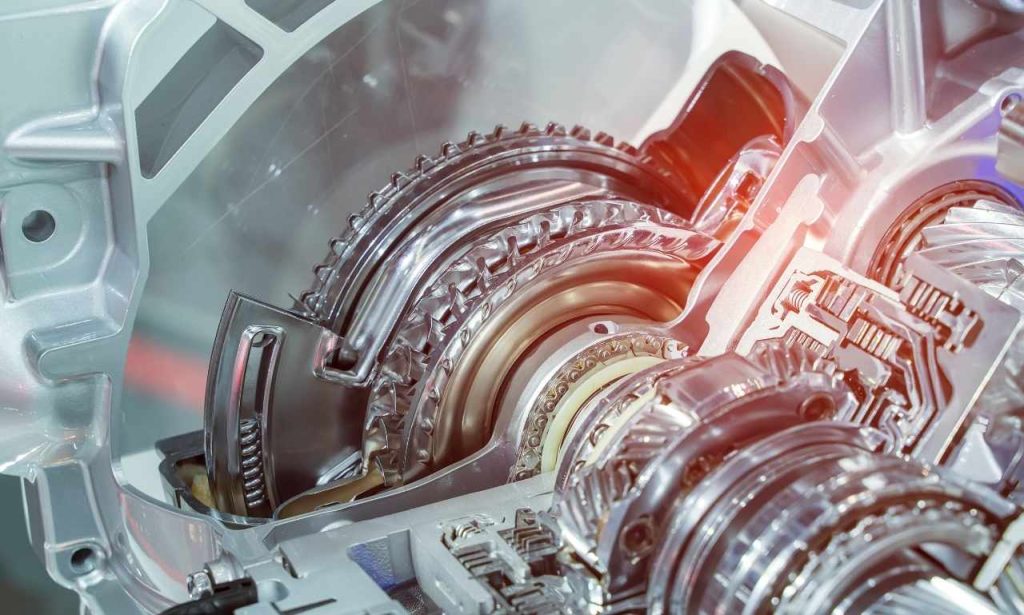
A failing transmission can stop working without much warning. One moment the car drives fine, and the next it is completely stuck. That kind of sudden failure is not something you want to experience on a busy highway.
When the transmission gives out, the car loses the ability to move. No amount of pressing the gas pedal will help. You are left stranded, sometimes in a dangerous location.
Towing fees alone can cost hundreds of dollars. Add the inconvenience and lost time, and the situation gets worse fast. A breakdown on a remote road can also become a safety issue.
Transmission problems tend to get worse the longer you ignore them. Small issues grow into major failures with continued driving. Catching the problem early is always cheaper and less stressful.
Expensive Repairs
Transmission repairs are among the most expensive fixes in the automotive world. A full replacement can cost between $3,000 and $7,000 or more. That is a significant financial hit for most people.
Driving on a bad transmission makes the damage worse over time. Parts that could have been replaced cheaply end up needing full replacement. Mechanics often see this pattern with drivers who wait too long.
Think of it like ignoring a small roof leak. That small drip eventually destroys the ceiling, insulation, and walls. The same logic applies to a failing transmission.
Addressing the problem early usually means a simpler, less expensive repair. A solenoid replacement or fluid flush costs far less than a full rebuild. Taking action now can save you thousands down the road.
Damage to Other Vehicle Components
A bad transmission does not suffer alone. It sends stress and strain to other connected parts of your vehicle. Over time, those parts begin to fail as well.
The driveshaft, axles, and differential are all connected to the transmission. When the transmission malfunctions, these components absorb the extra pressure. That leads to wear and eventual failure.
Your engine also takes a hit. It works harder to compensate for a struggling transmission. That added strain increases engine wear and fuel consumption at the same time.
Even your tires can suffer. Uneven power delivery causes irregular wear patterns. Replacing tires prematurely is another unexpected cost that comes from ignoring transmission issues.
Think of your vehicle as a team. When one player is injured, others have to cover more ground. Eventually, the whole team breaks down from overexertion.
Safety Hazards
This is where things get truly serious. A bad transmission creates real safety risks on the road. It is not just about your car breaking down; it is about people getting hurt.
Sudden gear slipping while driving is dangerous. Your car can unexpectedly lose power in traffic. That split second of lost control is all it takes for an accident to happen.
Some transmission failures cause the vehicle to shift into neutral without warning. Imagine that happening while merging onto a freeway. The results could be life-threatening for you and other drivers.
Transmission problems can also affect your ability to reverse. Parking lots and driveways become trickier to manage. A car that stalls at the wrong moment is a hazard to everyone nearby.
No repair bill is worth more than your safety. Driving with a known transmission issue puts lives at risk. That is a trade-off no responsible driver should ever make.
Decreased Fuel Efficiency
A failing transmission forces your engine to work much harder. That extra effort burns more fuel to cover the same distance. You will notice it first at the gas pump.
Fuel efficiency drops noticeably when the transmission cannot shift gears properly. The engine stays in lower gears longer than it should. That keeps the RPMs higher and burns through fuel faster.
Over weeks and months, those extra fuel costs add up. What seems like a slight increase becomes a significant expense. Drivers often blame rising gas prices without realizing their transmission is the real culprit.
Fixing the transmission restores proper gear shifts. The engine returns to operating efficiently, and fuel costs drop back to normal. It is one of the clearest financial wins from timely maintenance.
Environmental Impact
Poor fuel efficiency does not just hurt your wallet. It also harms the environment. A vehicle burning extra fuel produces more emissions with every mile driven.
A faulty transmission contributes to higher carbon output. That means more pollutants entering the atmosphere. For environmentally conscious drivers, this is a serious concern worth acting on.
Many regions have emissions standards that vehicles must meet. A poorly running transmission can cause your car to fail these tests. That creates legal complications and additional costs you did not plan for.
Taking care of your transmission is, in a small way, taking care of the planet. Fewer emissions per mile means a lighter environmental footprint. It is one more reason not to put off that repair.
Lower Resale Value
Planning to sell your car someday? A bad transmission will significantly lower what buyers are willing to pay. Nobody wants to inherit someone else’s mechanical problems.
Buyers and dealers check vehicle history and condition carefully. A known transmission issue is a major red flag. It either kills the deal entirely or slashes the offer price dramatically.
Even if you do not disclose the problem, a test drive often reveals it. Rough shifting or hesitation during acceleration tells an experienced buyer everything. Trying to hide it usually backfires.
Fixing the transmission before selling makes financial sense. A well-maintained vehicle commands a better price. The repair cost can often be recouped through a higher sale value.
Stress and Frustration
Ask anyone who has driven a car with transmission problems, and they will tell you it is exhausting. Every trip becomes an exercise in anxiety. You never quite know what the car will do next.
Will it shift smoothly today? Will it stall at a red light? These questions run through your mind with every drive. That mental load wears on you more than you might expect.
There is also the frustration of unreliable transportation. Missing an important meeting because your car gave out is infuriating. Depending on a vehicle you cannot trust affects your daily life in very real ways.
Fixing the problem brings back peace of mind. You drive with confidence again instead of holding your breath. That alone is worth the cost of a timely repair.
Conclusion
Every section of this article points to the same conclusion. Driving with a bad transmission is a bad idea, full stop. The risks are too high and the costs are too real to justify ignoring the problem.
From safety hazards and expensive repairs to lower resale value and daily stress, the consequences pile up fast. None of them improve with time. In fact, they all get worse the longer you wait.
If your car is showing signs of transmission trouble, do not brush it off. Take it to a qualified mechanic as soon as possible. A quick inspection could save you thousands of dollars and a great deal of headache.
Your car works hard for you every day. Return the favor by giving it the care it deserves. That starts with not driving on a transmission you already know is failing.
Also Read: How To File an Accident Claim
FAQs
Your car may stall, slip gears, or break down completely. Continued driving worsens the damage and raises repair costs significantly.
Yes. A failing transmission forces the engine to overwork. That added strain accelerates engine wear and increases fuel consumption.
Not long safely. Even short trips risk sudden failure. The sooner you get it repaired, the better for your car and budget.
Repair is usually cheaper if caught early. Full replacement costs far more. Early diagnosis always gives you more affordable options.