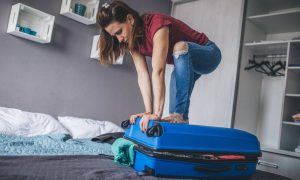
Most people pack the same way they did ten years ago. They throw things in a suitcase the night before and hope for the best. That approach works until it doesn’t, and usually, it stops working at the worst possible moment. Travel has changed. Airline fees are higher. Security lines are longer. And nobody wants to lug a 30-pound bag through three connecting flights. The old rules of packing no longer cut it. These seven new rules will completely change how you pack. They are practical, tested, and built for the kind of travel most people actually do. Whether you are headed to a beach resort or a business conference, these tips apply. Read through each one carefully, because even the most experienced travelers tend to skip at least one.
The 7 New Rules of Packing You Must Know
For Shoes, Follow the Rule of Three
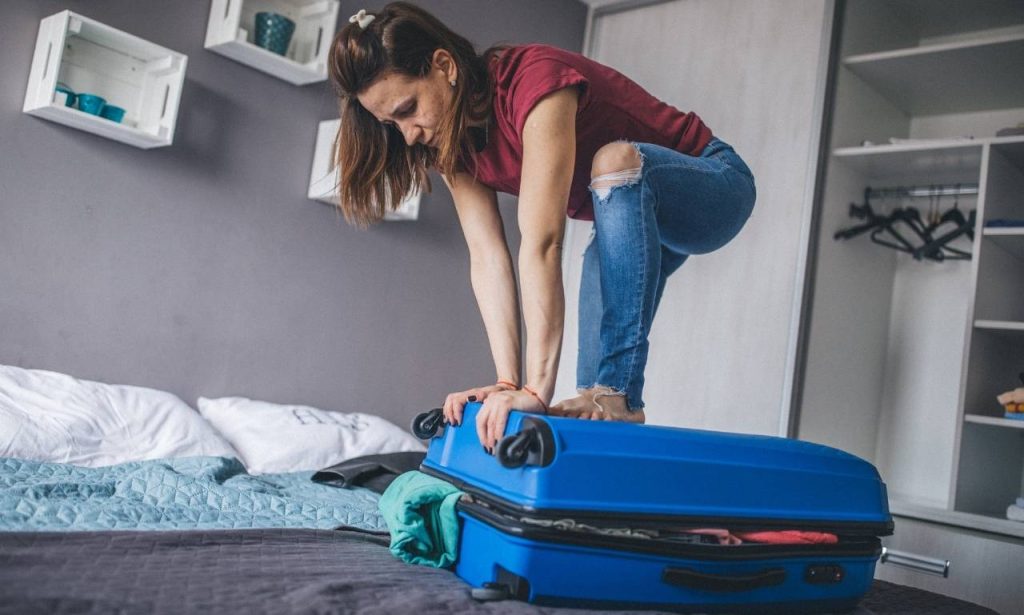
Shoes are the biggest space-wasters in any suitcase. Most travelers pack too many pairs. They pack sandals, sneakers, heels, flip-flops, and hiking boots, only to wear two of them the entire trip.
The rule of three is simple. You bring one pair for walking, one pair for going out, and one pair for casual or beach use. That is it. Three pairs cover almost every travel scenario imaginable. They stack neatly, leave room for other items, and keep your bag under the weight limit.
Here is the trick that makes this rule work well. Choose shoes that pull double duty. A clean white sneaker works for sightseeing and a casual dinner. A simple sandal works at the pool and on a beach walk. When shoes can serve more than one purpose, you never feel like you are missing a pair.
Pre-Pack a Bag of TSA-Friendly Toiletries
Nobody enjoys repacking their toiletry bag before every trip. It is tedious, and something always gets left behind. The smarter move is to build a dedicated travel toiletry kit and never unpack it.
Buy travel-sized versions of everything you use daily. Put them in a clear, quart-sized bag and store it in your luggage permanently. When a trip comes up, you are already halfway packed. All you need to do is check that each product still has enough product left and zip it up.
There is another reason this rule matters beyond convenience. TSA regulations have not changed much, but enforcement has gotten stricter in certain airports. Liquids must be 3.4 ounces or less. They must all fit in one clear bag. Having a pre-packed, compliant kit means you will never get stopped at security for an oversized shampoo bottle again.
This approach also saves money over time. Travel-sized products are often overpriced when bought last minute at an airport convenience store. Pre-packing at home means buying in bulk or refilling small bottles at your own pace.
Bring a Paper Copy of Your Passport
This rule sounds old-fashioned, but it solves a very modern problem. Phones die. Apps crash. Some foreign immigration counters do not accept digital copies of documents. A paper copy of your passport is cheap, lightweight, and could save you hours of trouble.
Print two copies. Keep one in your carry-on bag and another in your checked luggage or hotel safe. If your actual passport is lost or stolen, these copies speed up the process at your nearest embassy. They prove your identity and make replacement documents faster to issue.
Some travelers also photograph their passport and email it to themselves. That is a smart backup, too. But the paper copy stays relevant because it works without Wi-Fi, battery life, or a functioning phone. Think of it as a low-tech safety net that costs almost nothing.
Ship the Heavy Stuff
This rule feels unconventional until you do it once. Then it becomes standard practice. Shipping luggage ahead of your trip is not just for people with back problems. It is for anyone who wants to travel lighter and faster.
Services like FedEx, UPS, and specialized luggage shipping companies can get your bag to most hotels or vacation rentals before you arrive. The cost is sometimes comparable to checked baggage fees, especially if you are flying on a budget airline with high bag charges.
Consider what this does for your travel day. No waiting at baggage claim, dragging a heavy suitcase through subway stations or worrying about whether your oversized bag will fit in the overhead bin. You walk through the airport with a small carry-on and board the plane feeling relaxed.
This rule works especially well for longer trips, sports travel, or family vacations where you are hauling equipment or gear. Ship the skis ahead, the golf clubs. Ship the extra suitcase for a two-week European vacation. Your back will thank you.
Use Packing Cubes
Packing cubes changed everything for frequent travelers. If you have never used them, the idea sounds almost too simple to matter. Rectangular fabric cubes organize your clothing into separate categories inside your suitcase. They compress your items, keep everything sorted, and make unpacking at your destination take about three minutes.
The real value of packing cubes shows up mid-trip. You do not have to rummage through a messy bag every morning to find a clean shirt. Each cube has its contents, and you know exactly where everything is. Tops in one cube, bottoms in another, underwear and socks in a third. Some travelers use a fourth cube for workout gear or beach items.
They also help you repack at the end of a trip. Dirty clothes go back into a separate cube and the whole system stays intact. You are not cramming wrinkled clothes back into a chaotic bag on your last morning.
Shop Packing Cube Sets from $15 Now
Getting started with packing cubes does not require spending much money. Entry-level sets from brands like Amazon Basics or Bagail start at around $15 for a set of six. These work well for most travelers and hold up through regular use.
Mid-range options from brands like Osprey or Eagle Creek run between $30 and $50. They tend to use better zippers, more durable mesh, and compression panels that squeeze more into each cube. For frequent flyers, the extra durability is worth the investment.
At the premium end, brands like Away and Monos offer packing cubes designed to match their luggage collections. These run $60 and above. They look good and function well, but the honest truth is that a $15 set does the same organizational job. Start affordable, see if you like the system, and upgrade only if you travel often enough to justify it.
Designate an “Essentials” Pocket
Every bag should have one pocket with one purpose. It holds the things you need during transit and keeps them accessible at all times. This is the essentials pocket, and it stays consistent across every trip.
What goes in it? Your passport or ID, boarding pass or phone with your boarding pass pulled up, earphones, a charger, lip balm, and a snack. That is the standard kit. You might add a pen for customs forms or a small notebook. The point is that nothing else goes in this pocket.
The benefit becomes obvious at the airport. You never need to dig through your whole bag for your ID at security. You do not scramble for your boarding pass at the gate. Everything you need during travel is in one place. This habit takes about thirty seconds to build and saves significant frustration on every single trip.
Throw in a Sweater or Wrap (No Matter What the Weather Predicts)
Weather apps are good, but they are not perfect. More importantly, weather apps do not account for how cold airplane cabins get, how aggressively restaurants and hotels air-condition their spaces in summer, or how quickly coastal temperatures drop after sunset.
A lightweight sweater or wrap solves all of these problems at once. It does not take up much space, especially if you roll it tightly or use it as a layer in a packing cube. A cashmere wrap doubles as a blanket on a long flight. A cotton pullover works for cool evenings and overly chilled museum visits alike.
This rule also applies to tropical destinations. Many travelers headed to hot climates skip all layers entirely. Then they spend three days shivering in their hotel room because the air conditioning is set to an aggressive 65 degrees. A light layer fixes that without adding noticeable weight to your bag.
Conclusion
Packing is a skill, and like most skills, it gets better with practice and better tools. These seven rules are not complicated. They are adjustments to habits most travelers already have. Follow the shoe rule to reclaim suitcase space. Pre-pack your toiletry kit to save time before every future trip. Keep a paper copy of your passport because it costs nothing and could save everything. Ship heavy luggage if your trip makes it practical. Use packing cubes to stay organized from departure to return. Set up your essentials pocket so transit days run smoothly. And always pack a light layer regardless of what the forecast says.
Start with one or two of these changes on your next trip. See how they feel. Most travelers who adopt even one of these rules end up adopting all of them eventually because they work. Traveling lighter and smarter is one of those things that sounds minor until you actually experience it.
Also Read: 9 Perfect Gifts for Beginner Travelers
FAQs
Pack one pair for walking, one for going out, and one for casual use. Three pairs cover most travel needs.
Yes. They keep your bag organized and make unpacking faster. Basic sets start at $15 and work well.
Yes. Services like FedEx and DHL ship to most international destinations. Check delivery times and customs requirements before booking.
Phones can die or get stolen. A paper copy works without power or Wi-Fi and is accepted at most embassies for emergency document processing.