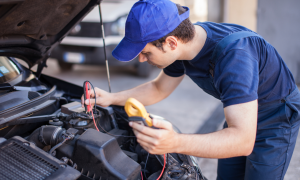
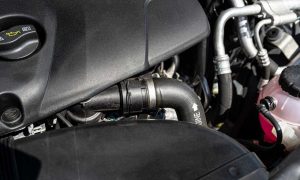
A healthy cooling system rarely consumes coolant without a reason. Yet many drivers notice the reservoir level dropping week after week, even though the driveway stays dry and no obvious leak appears under the vehicle. Understanding why does coolant disappear without visible leaks can prevent small issues from turning into expensive engine repairs.
Coolant Shouldn’t Normally Go Missing
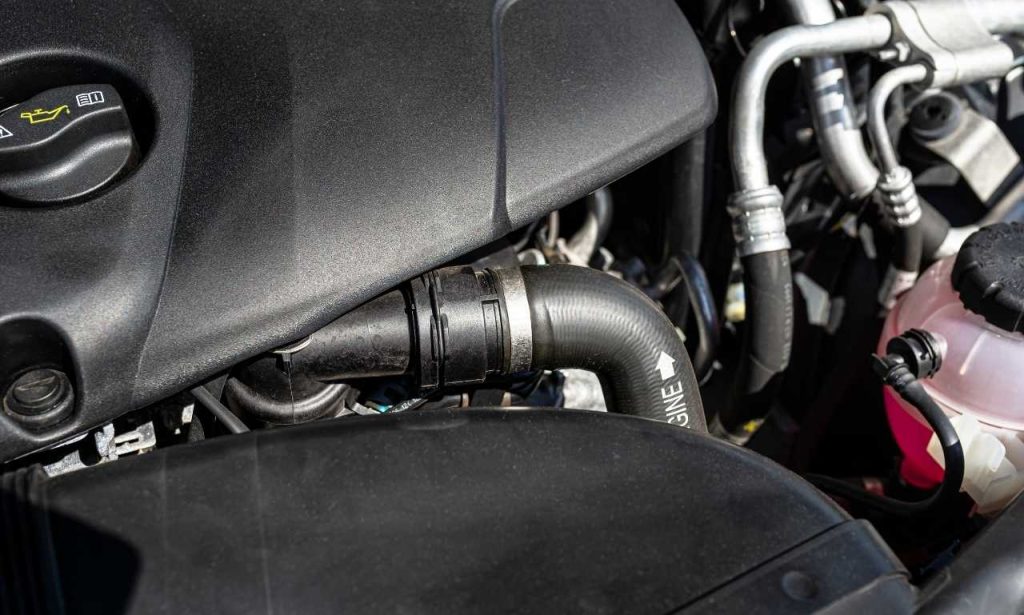
Engine coolant works inside a sealed system. It circulates through the engine, radiator, hoses, water pump, heater core, and expansion tank before returning to repeat the cycle. Under normal conditions, very little coolant is lost.
A slight change in the reservoir level between a cold and warm engine is expected because coolant expands as it heats. However, regularly topping off the reservoir is not normal. If the level keeps falling, the system is losing coolant somewhere, even if you cannot see where.
Modern vehicles are especially good at hiding small leaks. Protective engine covers, splash shields, and underbody panels can prevent coolant from reaching the ground. Instead, it may evaporate on hot engine components or collect in places that are difficult to inspect.
Understanding this difference helps explain why a disappearing coolant level deserves attention instead of being dismissed.
Hidden External Leaks That Never Reach the Ground
Not every leak leaves a puddle. Some are so small that the escaping coolant evaporates before it becomes visible.
Common hidden leak locations include:
- Hairline cracks in the radiator
- Aging radiator hoses
- Loose hose clamps
- The thermostat housing
- Expansion tank seams
- Water pump seals
- Heater hose connections
These leaks often appear only after the engine reaches operating temperature and system pressure rises. Once the engine cools, the leak may stop entirely.
Coolant can also drip onto the exhaust manifold or engine block. Because these parts become extremely hot, the liquid quickly turns into vapor, leaving only a faint sweet smell or a light residue behind.
Sometimes dried coolant leaves white, pink, green, or orange crusty deposits around fittings. These stains often reveal leaks that fresh liquid never does.
Internal Engine Problems That Consume Coolant
External leaks are only part of the story. Coolant can also disappear inside the engine itself.
This usually happens when coolant enters places it was never meant to reach.
Blown Head Gasket
A failing head gasket allows coolant to enter the combustion chambers or mix with engine oil.
Depending on where the gasket fails, symptoms may include:
- White exhaust smoke after the engine warms up
- Frequent overheating
- Bubbling inside the coolant reservoir
- Poor engine performance
- Milky engine oil
Some head gasket failures begin very slowly. The only noticeable symptom may be a gradually falling coolant level.
Cracked Cylinder Head or Engine Block
Extreme overheating, manufacturing defects, or severe freezing conditions can create tiny cracks in engine components.
These cracks may allow coolant to leak internally while producing few obvious warning signs at first.
Although less common than head gasket failures, cracked engine components can produce similar symptoms and require immediate attention.
The Water Pump May Leak Only While Driving
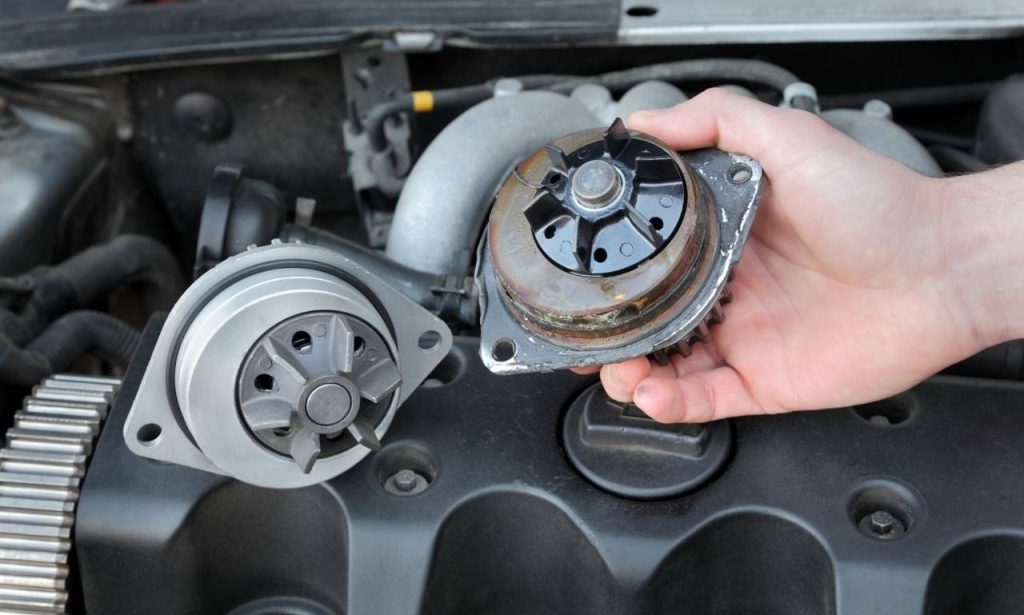
The water pump keeps coolant circulating throughout the engine. Inside the pump is a mechanical seal that wears with age.
When that seal begins to fail, coolant escapes through a small drain hole called a weep hole.
The challenge is that this leak often occurs only while the engine is running. Once the engine stops, the leak slows or disappears entirely.
Instead of finding a puddle beneath the vehicle, you might notice dried coolant stains around the water pump or hear a bearing noise developing alongside the coolant loss.
Because many modern water pumps sit behind timing covers or other components, identifying these leaks sometimes requires removing protective panels.
A Faulty Radiator Cap Can Cause Coolant Loss
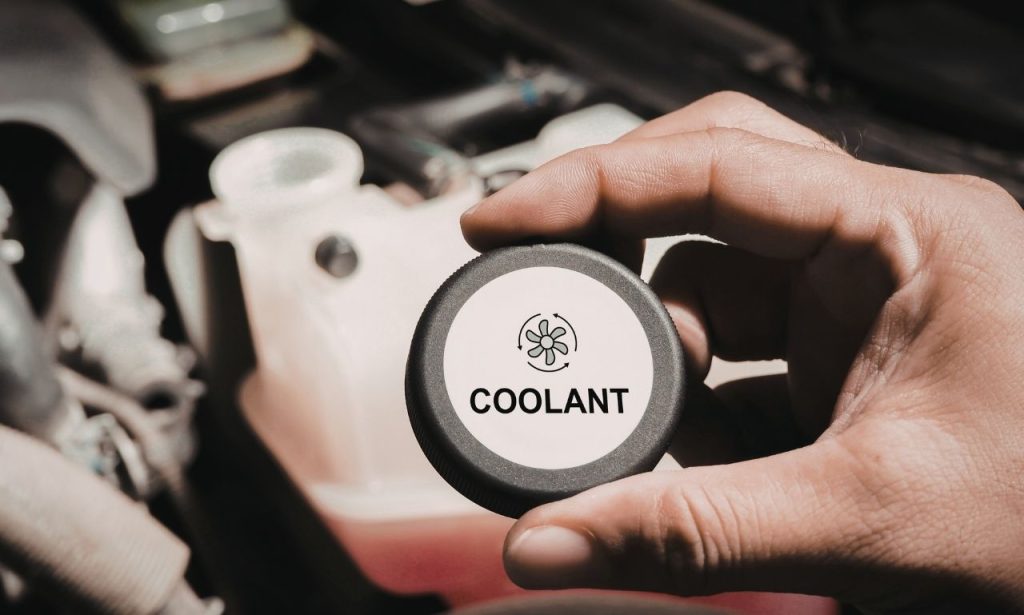
The radiator cap does much more than cover the radiator opening.
It maintains the proper pressure inside the cooling system. Higher pressure raises the coolant’s boiling point, allowing the engine to operate safely at normal temperatures.
If the pressure valve weakens or the seal deteriorates, coolant may escape as vapor before reaching the proper operating pressure.
This type of loss often leaves little evidence beyond a slowly declining coolant level.
A defective cap may also prevent coolant from returning properly from the overflow reservoir after the engine cools. The reservoir appears full while the radiator itself remains low.
Fortunately, replacing a worn radiator cap is inexpensive compared with repairing damage caused by chronic overheating.
Heater Core Problems Can Stay Hidden for Months
The heater core functions like a miniature radiator inside the dashboard. Warm coolant flows through it, allowing the cabin heater to produce warm air.
Because it sits behind interior panels, small leaks often go unnoticed.
Instead of seeing coolant on the ground, drivers may notice:
- Foggy windows that are difficult to clear
- A sweet smell inside the cabin
- Damp carpeting near the passenger-side floor
- Reduced heater performance
- Unexplained coolant loss
Small heater core leaks sometimes evaporate before producing visible moisture, making diagnosis surprisingly difficult.
Ignoring these early signs can eventually lead to soaked carpeting, mold growth, and costly dashboard removal during repairs.
Air Pockets, Evaporation, and Cooling System Maintenance
Not every drop in coolant level signals a serious mechanical failure.
After coolant replacement or cooling system repairs, trapped air gradually escapes through the expansion tank. As those air pockets leave the system, the coolant level naturally falls.
This usually stabilizes after several heating and cooling cycles.
Seasonal temperature changes can also create small variations inside the overflow reservoir. These changes should remain minor.
Problems arise when drivers repeatedly add coolant every few weeks.
Using the wrong coolant mixture can also contribute to overheating and accelerated component wear. Most manufacturers recommend a 50/50 mixture of antifreeze and distilled water unless otherwise specified.
Routine cooling system maintenance helps prevent corrosion that eventually damages radiators, water pumps, and heater cores.
How Mechanics Find Invisible Coolant Leaks
Finding an invisible leak often requires more than a visual inspection.
Professional technicians use several diagnostic methods to locate the source.
Cooling System Pressure Test
A pressure tester replaces the radiator cap and pumps the system to its normal operating pressure while the engine remains off.
If pressure drops, coolant begins escaping from the faulty component.
This test often reveals leaks that never appear during ordinary inspections.
UV Dye and Combustion Gas Testing
Special ultraviolet dye mixed with the coolant glows under a UV light, making tiny leaks much easier to trace.
If an internal engine problem is suspected, technicians may perform a combustion gas test.
This procedure checks for exhaust gases inside the coolant. Their presence strongly suggests a leaking head gasket or cracked engine component.
Some repair shops also use borescopes or thermal imaging equipment when conventional testing fails to locate the problem.
Warning Signs You Should Never Ignore
A disappearing coolant level rarely improves without intervention.
Several warning signs indicate the problem may already be affecting engine health.
Watch for:
- Rising engine temperature
- Low coolant warning light
- Sweet smell around the vehicle
- White exhaust smoke
- Frequent need to refill coolant
- Heater producing inconsistent heat
- Visible steam under the hood
- Milky appearance on the oil dipstick
Driving with low coolant greatly increases the risk of overheating.
Even one severe overheating event can warp the cylinder head, damage pistons, destroy head gaskets, or permanently harm the engine.
Addressing coolant loss early usually results in far less expensive repairs.
Preventing Future Coolant Loss
Cooling systems last much longer when they receive routine attention instead of emergency repairs.
Inspect coolant levels every few weeks using the expansion reservoir while the engine is cold. Periodically examine hoses for swelling, cracks, or softness. Replace worn hose clamps before they begin leaking under pressure.
Follow the coolant replacement interval recommended by the manufacturer rather than waiting until problems appear. Fresh coolant contains additives that protect aluminum, steel, rubber, and plastic components from corrosion.
If the temperature gauge suddenly rises, stop driving as soon as it is safe. Continuing to operate an overheating engine often causes far more damage than the original coolant leak.
Conclusion
Engines are designed to keep coolant circulating inside a closed system, not to consume it. When the level continues to fall, there is almost always an explanation waiting to be found, even if the evidence isn’t immediately visible.
Small leaks may evaporate on hot engine parts, while hidden failures inside the engine can allow coolant to disappear without leaving a puddle. The longer these problems go undetected, the greater the risk of overheating and expensive repairs.
Understanding why does coolant disappear without visible leaks helps drivers recognize early warning signs instead of dismissing them as normal. A timely inspection often turns what could become a major engine repair into a relatively straightforward fix.
Also Read: Why Driving With a Bad Transmission Is a Bad Idea
FAQs
Yes. Small leaks can reduce coolant gradually before the engine begins to overheat. Waiting for overheating to occur can allow the problem to worsen.
The coolant may be evaporating from a tiny external leak or leaking internally through a head gasket, heater core, or another engine component.
No. Driving with low coolant increases the risk of overheating, which can cause severe engine damage if left unresolved.
Under normal conditions, coolant should rarely require topping up. Frequent refills usually indicate a leak or another cooling system problem.