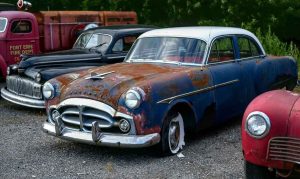
You spotted a rooftop tent at an outdoor store and fell in love. Now you’re staring at your classic car, wondering, “Can this actually work?” It’s a fair question — and honestly, a pretty common one.
Rooftop tents have exploded in popularity over the last decade. Everyone from weekend warriors to serious overlanders seems to have one strapped to their rig. But not every vehicle plays well with these setups, and classic cars present a unique set of challenges.
The short answer? It depends. Some classic vehicles can handle a rooftop tent with the right preparation. Others simply were not built for that kind of load. Before you buy anything, you need to understand what actually makes a vehicle compatible.
What Determines if a Rooftop Tent Fits Your Car?
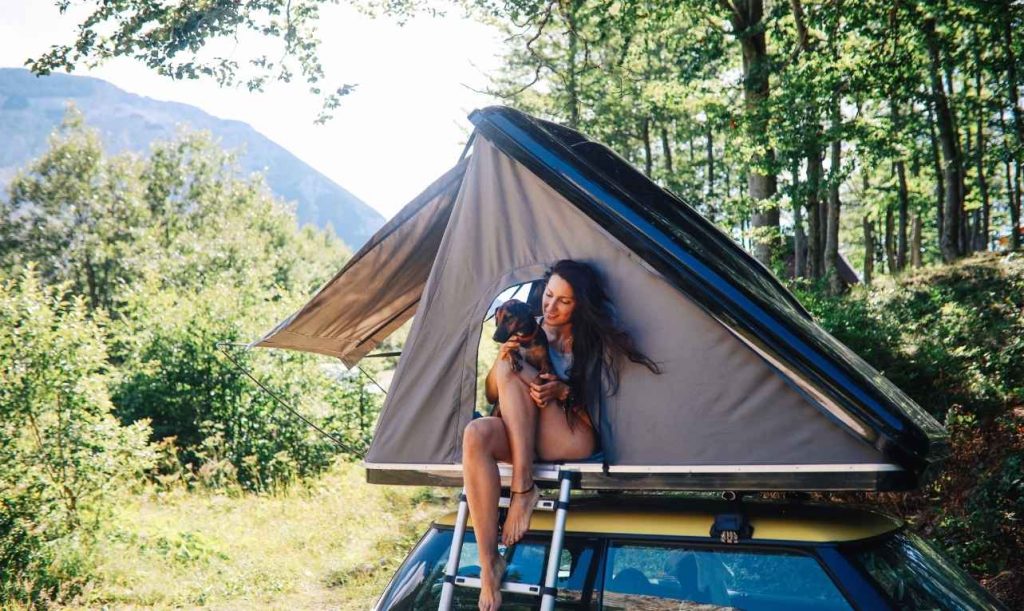
Not every roof is created equal. There are a few critical factors that decide whether your vehicle can safely carry a rooftop tent. Skipping this step can damage your car — or worse, cause a dangerous situation on the road.
Your Car’s Roof Load Capacity
This is the first number you need to find. Every vehicle has a static roof load rating and a dynamic roof load rating. The static rating is how much weight the roof can hold when parked. The dynamic rating covers weight while the car is moving.
Rooftop tents typically weigh between 100 and 180 pounds. Add sleeping gear, two adults, and you’re looking at significant pressure on the roof. Classic cars, especially older American models from the 1960s and 70s, were never engineered with this in mind.
Check your owner’s manual first. If you can’t find it, contact a classic car mechanic familiar with your specific make and model. Going over the dynamic roof load rating is a real safety risk. It can warp the roof, stress the body panels, and affect handling at highway speeds. Take this number seriously before moving forward.
Vehicle Type and Roof Design
Roof shape matters more than most people realize. Classic muscle cars like the Ford Mustang or Chevrolet Camaro have sloped, curved rooflines. That design looks stunning on the highway, but it creates real headaches for tent mounting.
A curved roof makes it harder to install crossbars flush and level. The tent won’t sit flat, which affects both comfort and stability. Convertibles are essentially off the table entirely. There’s no structural integrity in a soft or retractable top to support any kind of roof-mounted load.
Older SUVs and trucks from the classic era tend to fare better. A 1970s Bronco or Land Cruiser has a boxier, flatter roof that’s far more tent-friendly. The roof geometry on those vehicles was built for utility, not just aesthetics. If your classic car falls into the muscle car or coupe category, the roof design alone may disqualify it.
Weight Distribution and Tent Size
Even if your classic car technically meets the load rating, weight distribution still matters. Rooftop tents sit high up on the vehicle. That raises the center of gravity significantly. For cars with a lower, sportier profile, this creates handling problems — especially on winding roads or in crosswinds.
Tent size plays into this too. A larger, heavier tent pushes more weight toward one side if mounted off-center. It also increases wind resistance on the highway, which puts extra stress on the rack and roof mounts. Choose a tent that matches your vehicle’s proportions, not just its load capacity.
A compact, lightweight hardshell tent is generally the smarter choice for any vehicle near the edge of its weight limit. Soft shell tents can be lighter but tend to catch more wind. Think about where and how you’ll be driving before committing to a tent size.
Why Roof Racks Are Essential for Compatibility
Here’s something a lot of first-timers get wrong. You can’t just bolt a rooftop tent directly to a classic car roof. You need a proper roof rack system. The rack distributes the tent’s weight across stronger structural points in the vehicle, rather than concentrating it on thin sheet metal.
Finding a rack that fits a classic car is its own challenge. Most modern roof rack brands design their systems for late-model vehicles with factory-installed rail channels. Classic cars rarely have those. You’ll likely need a custom fabrication shop or a universal rack system with wide feet that clamp to the door frame gutters.
Make sure any rack you choose is rated to handle the combined weight of the tent and occupants. A rack rated for 150 pounds won’t cut it if your tent, gear, and sleeping load exceeds that. Check the rack’s static and dynamic ratings separately — they are not the same number.
How to Pick a Vehicle for Rooftop Tent Camping
If you’re still in the planning phase and haven’t committed to a specific vehicle, this section is for you. Choosing the right vehicle upfront saves a lot of frustration down the road. Here’s what to look for.
Long, Flat Rooflines Improve Sleep and Tent Options
A long, flat roofline is one of the best features you can have for rooftop tent camping. It gives you more surface area to work with and allows the tent to sit evenly without shimming or leveling hardware. Vehicles like older Land Rovers, full-size Broncos, and early Suburban models naturally check this box.
Flat rooflines also make nighttime more comfortable. A tent that’s slightly tilted doesn’t sound like a big deal until you’ve spent a night slowly rolling toward the zipper. Even a one or two-degree slope adds up over eight hours of sleep. If sleep quality matters to you — and it should — prioritize roofline flatness when evaluating vehicles.
Sturdy Roof Rails and Crossbars with Multiple Anchor Points
Roof rails and crossbars aren’t just about convenience. They are the foundation of your entire rooftop tent setup. Weak or poorly anchored rails will flex under load, which creates noise, vibration, and potential failure points. You want rails that are bolted directly through the roof into structural supports, not just glued or clipped on.
Multiple anchor points spread the load more evenly. A tent mounted to two crossbars is more stable than one mounted to a single bar. Look for vehicles with factory rails already positioned correctly, or plan to have a custom setup welded in by a qualified fabricator. This is one area where cutting corners creates real problems on the road.
Cargo Space for Bedding and Camp Gear
Rooftop tent camping is not just about where you sleep. You still need room for everything else. Sleeping bags, pillows, camp chairs, a stove, food, and clothing all need somewhere to go. A vehicle with minimal interior cargo space turns a camping trip into a frustrating game of Tetris.
Think about the full picture when evaluating a vehicle. Trucks with a bed have an obvious advantage. Older SUVs with a flat cargo floor work well too. Classic station wagons are an underrated option that many campers overlook. The more usable cargo space you have, the more enjoyable the overall experience will be.
All-Wheel Drive and Light Off-Road Capability
Most good campsites aren’t at the end of a paved road. Getting to the places you actually want to camp usually involves some degree of unpaved terrain. All-wheel drive or four-wheel drive gives you much more flexibility in where you can go.
Light off-road capability means your vehicle can handle gravel roads, mild trails, and wet grass without getting stuck. It doesn’t mean you need a rock crawler. Even a modest AWD setup dramatically expands your camping options compared to a standard two-wheel drive vehicle. Pair that with decent ground clearance and you’ll reach spots that most campers never see.
Conclusion
So, can you put a rooftop tent on a classic car? Sometimes, yes. But it takes careful planning, the right rack setup, and an honest look at your vehicle’s structural limits. Classic muscle cars and coupes present real challenges. Classic trucks and boxy SUVs are a much more practical starting point.
The best move is to do your homework before buying anything. Check your roof load ratings, evaluate your roof shape, and invest in a proper rack system. If the numbers don’t work for your specific classic car, it may be worth finding a more compatible vehicle for your camping adventures. Your safety — and your classic car — are both worth protecting.
Also Read: Common Myths About Washing Cars In Winter
FAQs
Yes, but only if the roof load rating supports it and a proper rack is installed.
Your roof should have a dynamic rating of at least 165 pounds for most tent setups.
Most likely yes. Classic cars rarely have factory rails, so a custom or universal rack is usually required.
Generally yes. They tend to be more aerodynamic and put less stress on the roof at highway speeds.