Winter is brutal. It throws salt, slush, and grime at your car every single day. Yet somehow, many drivers still convince themselves that washing their car in cold weather is either dangerous or pointless. Sound familiar? These misconceptions have been around for years. Some come from well-meaning advice passed down from parents or friends. Others just feel logical on the surface. But feeling logical and being true are two very different things. The truth is, skipping car washes in winter can actually cause more harm than good. Road salt eats through metal. Slush clings to undercarriages. Grime builds up on sensors and lights. Cold weather does not give your car a free pass from damage.
Think about everything your car goes through between November and March. Every commute adds another layer of salt and chemical residue. Every snowstorm leaves behind a fresh coat of grime. Your car is working harder in winter than at any other time of year, and yet it often gets the least attention during those months.
This article breaks down the most common myths about washing cars in winter. Each one deserves a proper reality check. By the end, you will know exactly what is true and what is just cold-weather folklore.
Washing Your Car in Cold Weather Will Cause the Paint to Crack
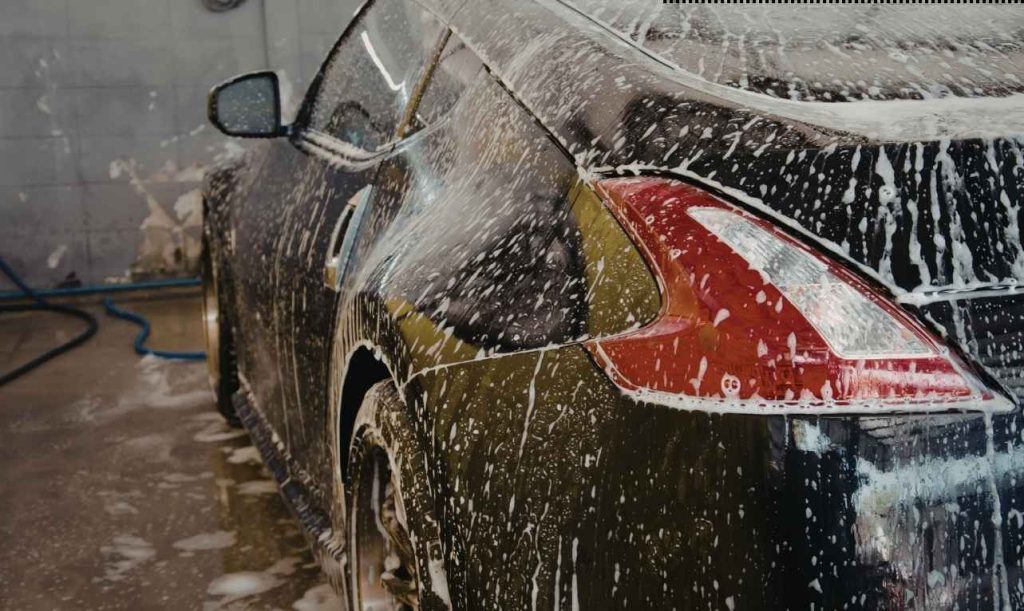
This is probably the most widespread myth out there. A lot of people genuinely believe that cold temperatures combined with water will crack or damage their car’s paint. It sounds plausible. After all, materials contract in the cold, right?
Here is the reality. Modern automotive paint is designed to handle extreme temperature changes. It is flexible, durable, and built to withstand harsh environments. The paint on your car does not crack from a simple wash in winter. That kind of damage usually comes from physical impact, long-term neglect, or very old paint that has already been weakened.
What can actually harm your paint in winter is not water. It is road salt. Salt accelerates rust and eats through protective coatings over time. Leaving salt on your car for weeks is far more damaging than any cold-water wash could ever be.
Professional detailers wash cars in cold weather all the time. They use heated water and temperature-controlled environments, but the point stands. The idea that paint cracks from winter washing has no real basis in automotive science. Washing your car in cold weather, done correctly, protects the paint rather than harming it. So the next time someone warns you about cracking paint, you can confidently set the record straight.
It’s Pointless to Wash Your Car in Winter Because It Will Just Get Dirty Again
Ah, the classic “why bother” argument. This one actually makes a certain kind of emotional sense. You wash the car on a Tuesday. By Thursday, it is covered in slush again. So what is the point?
The point is protection, not aesthetics. Washing your car in winter is not about keeping it Instagram-ready. It is about removing corrosive materials before they do lasting damage. Road salt, in particular, is incredibly aggressive. It bonds to metal surfaces and breaks down protective coatings with remarkable speed.
Think of it this way. You would not skip brushing your teeth just because you are going to eat again later. The same logic applies here. Regular washing removes harmful buildup before it causes structural or cosmetic damage.
There is also a practical argument for consistent winter washes. Sensors, cameras, and lights caked in road grime can reduce visibility and affect driver-assistance systems. Clean lights make a real safety difference on dark winter nights. Beyond your car’s health, it is a road safety issue worth taking seriously.
Yes, your car will get dirty again. That is just winter. But regular washing, even every week or every two weeks during heavy-salt seasons, significantly reduces the risk of rust and long-term deterioration. “It will get dirty again” is never a good reason to let corrosive material sit on your vehicle for months.
Freezing Temperatures Mean You Can’t Wash Your Car
This myth has a small kernel of truth, which is probably why it has lasted so long. Freezing temperatures do create real challenges when washing a car. Water can freeze in door seals, keyholes, and rubber trim. That part is true. But the idea that you simply cannot wash your car when it is cold? That is an overstatement.
The key is timing and technique. Most professional car washes use warm or hot water, which significantly reduces the risk of freezing during the wash process. Washing on a slightly warmer winter day, even just above freezing, gives the water time to drain and dry before temperatures dip again.
There are also a few practical steps that help. Drying your car thoroughly after washing prevents water from sitting in crevices and freezing overnight. Applying a silicone-based lubricant to door seals before winter keeps them from sticking. Keeping rubber seals conditioned also helps prevent cracking in low temperatures.
Timing your wash for the warmest part of the day is smart strategy. Even in deep winter, midday temperatures are usually more forgiving. Waiting for a day that sits at or above freezing is a reasonable precaution. Pay attention to your local forecast before heading out. A day predicted to stay above freezing gives you a comfortable window to wash and dry safely. The goal is not to avoid washing altogether. It is to wash smart. Completely skipping washes because of cold weather leaves your car exposed to the very damage that regular cleaning would prevent.
You Don’t Need to Dry Your Car in Winter — The Cold Air Will Do It for You
This one gets passed around a lot, and it is genuinely problematic advice. The idea that cold, dry winter air will naturally dry your car the way a warm summer breeze might sounds reasonable. In practice, it causes real problems.
Cold air, especially in humid winter conditions, is not efficient at drying. Water left on your car in freezing temperatures does not just evaporate. It freezes. And frozen water in door handles, locks, and rubber seals can leave you standing in a parking lot with a car you cannot open. That is not a great start to any morning.
Beyond the inconvenience, water sitting in crevices expands when it freezes. Over time, that repeated expansion and contraction can stress seals, damage trim, and cause rust in areas where water pools and refreezes constantly.
Drying your car properly after a winter wash is genuinely important. A good microfiber towel pulls water away quickly. A leaf blower or compressed air works well for hard-to-reach spots like side mirrors and door frames. Taking ten extra minutes to dry your car thoroughly can save you from dealing with frozen locks, damaged seals, and water-related rust down the road.
Do not forget the undercarriage either. That area collects the most salt and is the hardest to dry manually. Many automatic car washes include an undercarriage rinse, which helps remove salt buildup in hidden areas. Making that part of your routine adds an extra layer of protection through the harshest months.
Cold air is not your car’s best friend in winter. A good towel is.
Conclusion
Winter car care tends to get brushed aside more than it should. These myths have made it easy to justify skipping washes when the weather turns cold. But as each myth shows, the reasoning simply does not hold up under scrutiny.
Your paint will not crack from a proper winter wash. The car getting dirty again is not a reason to skip cleaning. Freezing temperatures create challenges, but they do not make washing impossible. And cold air is no substitute for actually drying your car.
Staying on top of car washes during winter is one of the best things you can do for your vehicle’s longevity. Road salt is aggressive. Consistent cleaning is your best defense. Your car is an investment worth protecting, no matter the season. A little effort in winter goes a long way toward avoiding costly repairs in spring. Give your car the attention it needs this winter, and it will thank you come spring.
Also Read: What’s the Difference Between Your Air Filter and Cabin Filter
FAQs
Every one to two weeks is a good target, especially in areas with heavy salt use on roads.
Yes, but use warm water when possible and dry the car immediately after to prevent freezing.
Most automatic car washes use heated water and are safe for winter use.
Applying wax or a paint sealant before winter adds a protective layer against salt and road grime.