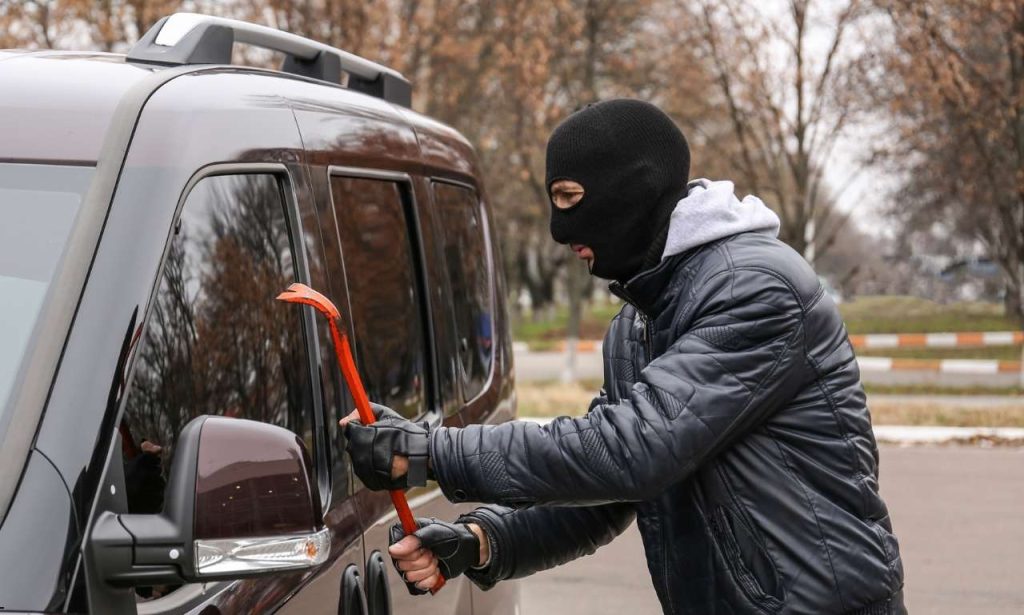
You walk up to your car, and something looks wrong. Glass sparkles on the pavement. Your door hangs open slightly. That sick feeling hits your stomach before your brain catches up. Someone broke into your car. Your stuff is gone, and you’re standing there wondering what the hell just happened. Right now, you probably feel angry, violated, maybe even a little scared. Those feelings make complete sense. A stranger rifled through your personal space and took what they wanted. But standing here frozen won’t fix anything. You need to act fast and smart. The next few hours matter more than you think. What you do now affects whether your insurance claim is approved. It determines if police can actually investigate. It decides how much this whole mess will cost you. So take a breath. We’ll walk through this together, step by step. You’ll get through this headache. Thousands of people experience car break-ins every year, and most recover just fine.
Try Not to Panic
Your heart is probably racing right now. That’s your body’s natural alarm system kicking in. But freaking out won’t help you one bit. Take three slow breaths. Seriously, do it now. Count to four, breathing in, hold it, then count to four, breathing out.
Here’s the thing about panic: it makes you stupid. You’ll touch things you shouldn’t touch. You’ll forget essential details. You might even put yourself in danger without realizing it. So slow down for a minute. The damage is already done. Another sixty seconds won’t make it worse.
Don’t climb into your car yet. Every fingerprint you leave makes it harder for cops to find the thief’s prints. Your smudged fingerprints all over the door handle? That’s evidence you just destroyed. Stand back and look instead of touching. I know you want to see what’s missing. Wait a few more minutes. Trust me on this.
Look around the parking lot or street where you’re parked. Is anyone watching you? Does anything feel off? Car thieves typically hit-and-run, but not always. Some stick around to see if you have anything else worth taking. If you feel unsafe, get to a public place with other people around. Your car can wait. You can’t.
Call a friend or family member if you need to hear a familiar voice. Sometimes, that grounds you faster than anything else. Plus, if you’re alone in a sketchy area, having someone on the phone adds a layer of safety. Tell them where you are and what happened.
Evaluate the Damage to Your Car
Now you can review what happened. Walk slowly around your car. Which window got smashed? Is it the driver’s side, the passenger side, or the rear? Maybe they jimmied the lock instead. Some thieves are smoother than others.
Check your ignition and steering column through the windows if you can. Criminals sometimes try to hotwire cars or rip out the whole ignition. If your car is still parked where you left it, that’s good news. They wanted your stuff, not your ride.
Understanding What’s Missing
Look through the windows at your seats and floors. What’s gone? That laptop bag you left on the back seat? Your gym bag? The phone charger? GPS unit? Make a mental list but don’t open the doors yet. We need photos first.
Think about your glove compartment. Most people keep their registration and insurance card there. Hopefully you didn’t stash anything else valuable in there. Some people leave credit cards, cash, or even spare house keys inside. If you did that, this situation just got more complicated. You’ll need to cancel cards and maybe change your locks at home.
Did you leave keys in your car? Spare office keys? Your home security system code written down somewhere? These details matter more than you’d think. A thief with your house keys and your registration knows exactly where you live. That’s the kind of thing you need to handle today, not next week.
Taking Photos and Videos
Pull out your phone and start documenting everything. Take pictures from every angle you can. Get close-ups of broken glass. Photograph damaged locks or doors. Shoot wide shots showing where your car is parked and the license plate. You’ll need these for insurance and police reports.
Walk around your car while recording video on your phone. Talk out loud about what you see. Say the time, describe the weather, mention if any security cameras are nearby. This creates a record that photos alone can’t match. Insurance adjusters love thorough documentation. It makes their job easier and your claim faster.
Snap pictures through the windows of your car’s interior. Don’t worry about getting perfect shots. Just capture what’s there now and what’s obviously missing. You can see empty spots where things used to sit. That backpack outline in the dust on your seat? Get that on camera.
Report the Car Break-In to the Police
Time to call the cops. Use the non-emergency number unless something dangerous is happening. Most cities require a police report before insurance will pay anything. No report means no money for repairs. It’s that simple.
What to Tell the Officers
When officers show up, give them straight facts. Tell them when you last saw your car in normal condition. Explain when you discovered the break-in. If you touched anything before they arrived, admit that. Cops appreciate honesty.
Describe what’s missing as specifically as you can. Don’t just say “a laptop.” Say “a silver MacBook Pro, 13-inch, with a dent on the corner.” Brand names matter. Model numbers help. Serial numbers are gold if you recorded them somewhere. The more detail you give, the better chance something gets recovered.
Officers will write up a report and give you a case number. Write that number down right away. Put it in your phone. Text it to yourself. You’ll need it for everything that comes next. Ask how long before you can get a copy of the full report.
Following Up on Your Case
Let’s be real here: car break-ins don’t top the priority list at most police departments. Cops are dealing with shootings, assaults, and other serious crimes. Your stolen GPS and broken window won’t get detective shows level attention. That sucks, but it’s reality.
Most stolen items never get found. Thieves sell stuff fast for quick cash. But you can help yourself. Check local pawn shops over the next few weeks. Browse Facebook Marketplace, Craigslist, and OfferUp for your items. If you spot something that looks like yours, call the cops. Don’t try to buy it back or confront the seller. That’s how people get hurt.
Email or call your case detective every couple weeks. A quick message keeps your case from getting buried. Some cases get solved because victims stayed on top of things. Maybe yours will be one of them.
Contact Your Insurance Company
Call your insurance company within twenty-four hours. Many policies have deadlines for reporting claims. Miss the deadline and you’re paying for everything yourself. Don’t wait for the police report to be finished. Call now.
Understanding Your Coverage
Pull out your insurance policy or log into your account online. Look for comprehensive coverage. That’s what pays for theft and vandalism damage. If you only carry liability insurance, you’re out of luck here. Liability covers damage you cause to other people, not damage to your own car.
Here’s something that surprises most people: your auto insurance doesn’t cover personal items stolen from your car. That laptop, those sunglasses, your gym bag? Those fall under homeowners or renters insurance. You’ll file a separate claim there. Both policies will have deductibles, so do the math. If your deductible is five hundred bucks and you lost four hundred dollars worth of stuff, filing doesn’t make sense.
Call your insurance agent and ask specific questions. Does your policy include rental car coverage? Will they pay for repairs or just give you cash? What’s your deductible amount? Getting clear answers now prevents ugly surprises later.
Filing Your Claim Properly
Gather everything before you start the claims process. You need the police report number, all your photos, and receipts for stolen items. Being organized speeds things up dramatically. Adjusters process organized claims faster than messy ones.
Tell the complete truth about what happened and what’s missing. Don’t exaggerate. Don’t make stuff up. Insurance fraud is a crime that can land you in jail. Adjusters investigate claims that smell fishy. They’ve seen every trick people try. Stick to facts you can prove.
An insurance adjuster will inspect your car before approving repairs. They’ll assess the damage and decide what the company will pay. Their number might be lower than repair estimates you got. You can negotiate if you think they’re lowballing you. Get documentation to back up your position.
Get Your Car Repaired
After insurance approval comes through, you need a good repair shop. Your insurance company probably has a list of preferred shops. These places work with insurers all the time. They often guarantee repairs and bill insurance directly. But you’re not stuck using them if you’d rather go somewhere else.
Choosing the Right Shop
Read online reviews for local repair shops. Look at Google, Yelp, and Facebook ratings. Pay attention to recent reviews, not just overall scores. Find shops that specialize in what your car needs. Window guys know windows. Lock specialists know locks. Using the right expert matters.
Get written estimates from three different shops minimum. Compare the prices, but also compare warranties on parts and labor. Some shops use cheap aftermarket parts. Others install original manufacturer parts. That difference affects quality and how long repairs last. Cheaper isn’t always better when it comes to fixing your car.
Ask shops if they’ve worked with your insurance company before. Shops familiar with your insurer handle paperwork faster. They know who to call and what forms to file. This gets your car back to you sooner. When you’re bumming rides or paying for rentals, time matters.
Dealing With Repairs
Drop off your car and tell the shop exactly what you expect. Ask for updates every few days if repairs take a while. Most shops appreciate customers who check in without being pushy. Keep every receipt they give you. Save all documentation about the repairs. You’ll need this if problems pop up later.
Before you drive away, inspect everything they fixed. Test the locks. Roll windows up and down. Make sure doors open and close smoothly. Take a quick drive around the block. Does everything feel normal? Once you leave the lot, getting them to fix additional problems becomes a hassle.
Conclusion
Getting your car broken into absolutely sucks. There’s no sugarcoating that. Someone violated your space and took your stuff. You’re dealing with hassles, expenses, and that gross feeling that comes with being a crime victim. But you’re handling it. You’re taking the right steps.
Keep your safety first always. Stuff can be replaced. You can’t. Use this experience to beef up your car security going forward. Stop leaving valuables in plain sight. Park in lit areas when possible. Maybe invest in a steering wheel lock or alarm system.
Most people move past car break-ins pretty quickly once repairs are done. The anger fades. Life gets back to normal. You’ll probably be more careful about what you leave in your car. That’s actually a good thing. Learn from this without letting it make you paranoid. You’ve got the tools now to handle this situation. Follow through on each step and you’ll come out the other side fine.
Also Read: 5 Signs Your Car Needs A Tune-Up
FAQs
No, leave everything alone until officers document the scene. They need to see the damage exactly as you found it for accurate reports.
Comprehensive claims usually don’t raise rates as much as at-fault accidents. But multiple claims in a short time can definitely increase your premiums.
You technically can, but it’s risky. Rain gets in, and anyone can reach inside and unlock doors. Cover it with plastic sheeting if you absolutely must drive.
Some repair shops offer payment plans for deductibles. Call your insurance company too and ask about assistance programs or deductible waivers.