Buying a car is one of the biggest financial decisions most people make. Yet many buyers spend more time picking a restaurant than actually testing the vehicle. A test drive is your only real chance to know if this car fits your life — or if it will drive you crazy six months in.
Dealers will tell you everything sounds great. The brochure will promise the moon. But the road tells a different story. Knowing what to look for on a test drive puts you in the driver’s seat — literally and figuratively.
This guide walks you through every key area to check before signing anything.
Test for Comfort
Getting in and Out
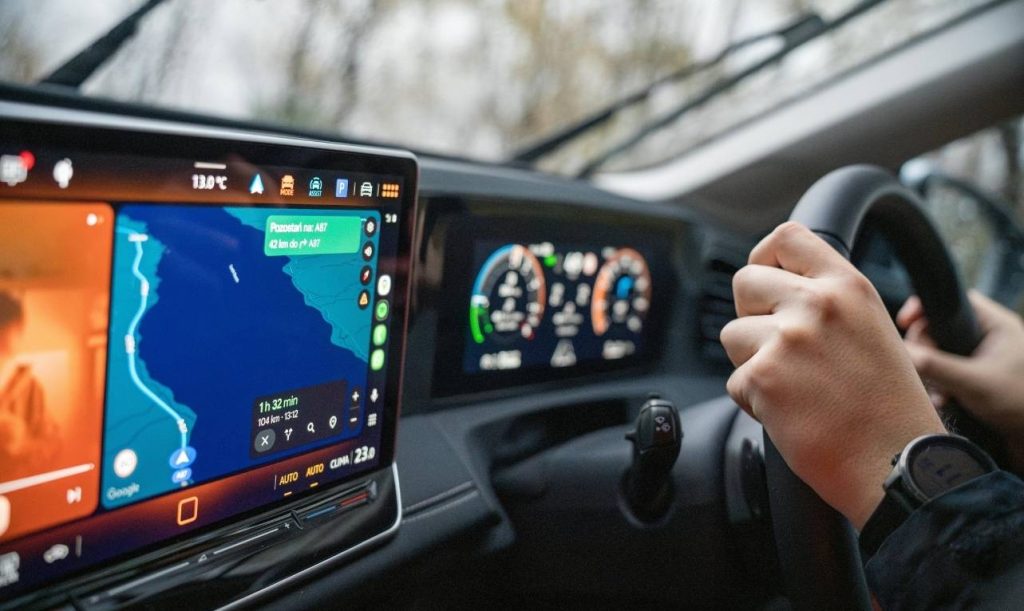
First impressions start before you even turn the key. How easy is it to get in and out of the car? If you’re tall, do you hit your head on the door frame? If you have kids or elderly passengers, a high step-in might become a daily frustration.
Sit in the driver’s seat and take a moment. Can you reach the steering wheel without stretching? Are the pedals at a natural distance? Many people overlook this and regret it after months of awkward positioning. The seat should support your lower back without pressure points. Adjust the mirrors and notice if blind spots feel manageable or dangerously wide.
Don’t ignore the back seats either. Sit back there yourself if you regularly carry passengers. Legroom, headroom, and middle seat comfort all matter — especially on long trips. The boot space is worth checking too. Open it, look at the depth, and ask yourself honestly if it handles your weekly shop or camping gear.
Noise and Vibration
Road noise is one of the most underrated comfort factors. On the test drive, find a section of rough road if you can. Listen carefully. Does the cabin feel quiet and insulated, or does every pebble sound like a drumroll? Excessive wind noise at highway speeds is also worth noting.
Feel for vibrations through the steering wheel and seat. A slight hum at idle is normal. Persistent shaking, however, is a red flag — especially in a newer or used car being sold as road-ready.
Test the Drive
Performance and Handling
This is where the fun part begins. Accelerate smoothly from a stop and feel how the engine responds. Does it pull confidently? Is there a hesitation or a lag that feels off? These small things become big annoyances in daily stop-and-go traffic.
Try a highway merge if possible. The car should gain speed without drama. If it struggles to keep up with traffic, that’s useful information. Braking matters just as much. Apply the brakes firmly at moderate speed in a safe spot. They should feel responsive and predictable — not spongy or grabby.
Cornering tells you a lot too. Take a few bends and notice how the car handles. Does it feel planted and confident? Or does it roll and lean in a way that feels unsettling? A car that handles poorly on a test route will feel worse on a rainy evening.
Transmission Feel
Automatic or manual, the gearbox should shift smoothly. In an automatic, shifts should be seamless — not jerky or delayed. Rev the engine in a lower gear and check if upshifts happen at sensible points. In a manual, the clutch bite point should feel intuitive and not too high or too low.
Test the Climate Control and Infotainment
Climate Control
Most drivers underestimate how much the climate system affects daily driving experience. Turn the air conditioning on full blast. How quickly does it cool the cabin? Does the fan create an irritating noise at higher settings? In a hot climate like Nairobi, a weak or unreliable AC is a genuine dealbreaker.
Test the heat too, even briefly. Check that air flows to the rear of the cabin and not just the front. Rear passengers on long trips need comfort as well. Vents should be adjustable and direct airflow where you actually want it.
Infotainment and Connectivity
The infotainment screen should be intuitive. Try connecting your phone via Bluetooth or Apple CarPlay. If the system takes three menus to change a radio station, that distraction is a road hazard. The screen should be readable in daylight without squinting.
Check where the controls are positioned. Can you adjust volume without taking your eyes off the road? Voice commands are worth testing too. Speak a destination into the navigation and see if the system understands you without a third attempt.
Check the Body
Exterior Condition
Walk around the car slowly before you drive it. Look at the paintwork in natural light. Uneven panel gaps or mismatched paint between doors and wings often point to previous accident repairs. That’s not always a dealbreaker, but you deserve to know upfront.
Check the tyres for uneven wear. Wear on one edge suggests alignment or suspension issues. Worn tyres that the dealer hasn’t replaced on a newer used car say something about how they’ve maintained the vehicle overall.
Look underneath if you can. Rust on the chassis, undercarriage, or wheel arches is a significant concern. A small patch isn’t always catastrophic, but heavy rust on structural components is a serious problem worth walking away from.
Interior Condition
Inside, look at everything critically. Worn pedal rubbers on a low-mileage car are a contradiction worth questioning. Stains, cracked trim, and broken controls all suggest a car that hasn’t been cared for. These might seem cosmetic, but they hint at deeper neglect.
Check every button and switch. Windows, heated seats, parking sensors, interior lights — test them all. Anything not working today will cost you money tomorrow. Don’t assume the dealer will fix it unless it’s written into the deal.
Check the Paperwork
Service History and Ownership Records
A car with a full service history is worth more than one without — and not just financially. It tells you the previous owner cared about maintenance. Ask to see the logbook or service stamps. Gaps in the history should prompt questions, not assumptions.
Find out how many previous owners the car has had. One careful owner is very different from five unknown ones. Request the V5C or equivalent ownership document in your region. The details on that document should match what the dealer tells you.
Outstanding Finance and Legal Checks
This step is non-negotiable on a used car. Run a vehicle history check through a trusted service. It will flag outstanding finance, which means someone else’s debt is technically attached to the car. Buying without checking can mean losing the vehicle entirely if the lender repossesses it.
Also check for any recorded write-offs. A Category N write-off (non-structural damage) is manageable if disclosed and properly repaired. A structural write-off is a different matter. Know what you’re buying before you hand over any money.
Conclusion
A test drive is more than a quick spin around the block. It’s your audition of a car that may be part of your life for the next five to ten years. Comfort, performance, technology, bodywork, and paperwork all deserve serious attention.
Don’t let a pushy salesperson rush you. Take your time. Ask questions. Bring a checklist if that helps. And if something doesn’t feel right — whether it’s a noise, a smell, or a gut feeling — trust it.
The right car will feel right. The wrong one will keep reminding you that you ignored the signs.
Also Read: What You Need to Know About Lifetime Warranty for Automobiles
FAQs
At least 20 to 30 minutes. Short drives don’t reveal enough about comfort, noise, or performance. Try different road types — urban, highway, and rough surfaces if possible.
Yes. Dealers expect it. You’re not obligated to buy after a test drive, so don’t let anyone pressure you into rushing.
Bring your driver’s licence, a phone to take notes or photos, and ideally a trusted second opinion. A checklist helps too.
Absolutely. Testing back to back is one of the best ways to notice differences in comfort, handling, and features that might not stand out on their own.