You care about your car’s performance. But when was the last time you thought about its filters? Many drivers assume all air filters serve the same purpose. That’s a mistake. Your car has different filters for different systems. Two of the most important—but often misunderstood—are the engine air filter and the cabin air filter. They might sound similar. But they serve completely different roles in your vehicle’s performance and comfort. Understanding the difference between your air filter and cabin filter helps you make smarter maintenance decisions, avoid costly repairs, and protect both your engine and your lungs.
What is an Engine Air Filter?
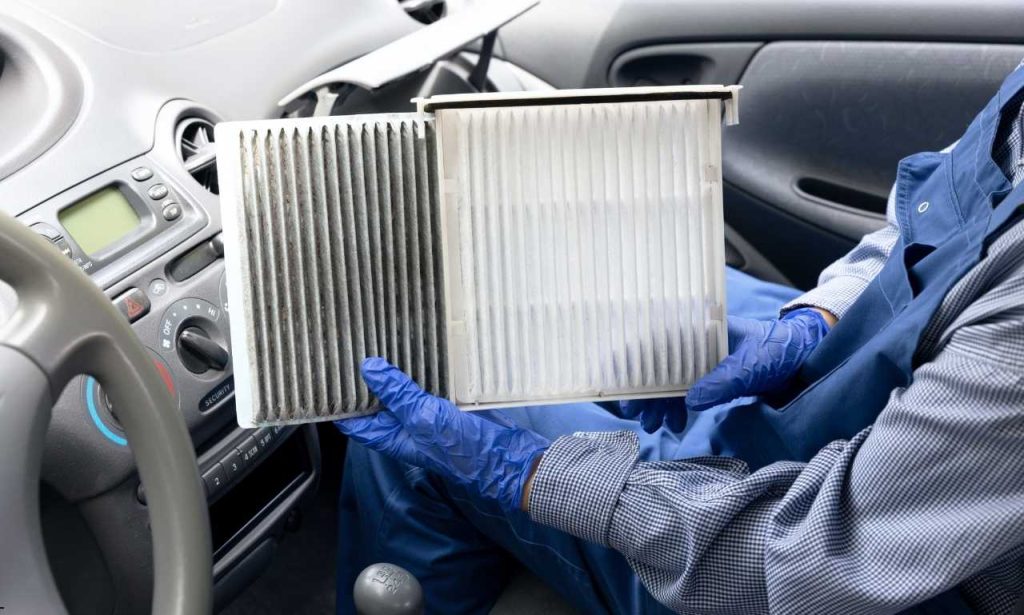
The engine air filter is designed to ensure clean air flows into the engine’s combustion system. Your car’s engine needs oxygen to function, just like your body does. But road air contains dirt, dust, leaves, pollen, and even tiny rocks. If those contaminants enter the engine, they can cause real damage.
That’s where the engine air filter steps in. It catches particles before they enter the engine’s air intake. This process helps the engine “breathe” cleanly, ensuring proper fuel combustion, preserving engine parts, and keeping the ride smooth and efficient.
You can usually find the engine air filter in a rectangular or circular housing near the front or side of the engine compartment. Most manufacturers make it relatively accessible so you or a technician can inspect it during routine service.
If you drive on dusty roads, in rural areas, or during heavy traffic, your engine air filter may clog up faster. When that happens, your car may feel sluggish, accelerate poorly, or emit black smoke. Neglecting this filter over time leads to increased fuel consumption, engine strain, and expensive repair bills.
What is a Cabin Air Filter?
Now, while the engine air filter protects the car’s motor, the cabin air filter protects the people inside the car.
The cabin air filter cleans the air that enters the passenger compartment through the heating, ventilation, and air conditioning system. Every time you turn on the AC or heat, outside air is pulled in and circulated through your vehicle’s vents. Without a cabin air filter, that air could carry pollution, dust, mold, or allergens right into your nose and lungs.
This filter is essential, especially for people with asthma or allergies. It traps pollen, smoke, spores, and even road odors, creating a cleaner, more comfortable ride for everyone inside.
You’ll typically find the cabin air filter behind the glove box or somewhere under the dashboard. In some vehicles, it’s accessible from the engine bay, tucked beneath the windshield cowl. It may take a little work to reach, but replacing it is usually a manageable task for most vehicle owners.
When this filter becomes clogged, air struggles to pass through your HVAC system. You might notice reduced airflow, a musty smell, or foggy windows that take longer to clear. In extreme cases, it forces your blower motor to work harder, which can wear out components over time.
Differences Between the Engine Air Filter and Cabin Air Filter
These two filters might sound alike, but they serve totally different purposes. The engine air filter ensures that the engine gets clean air to burn fuel efficiently. Without it, harmful particles would enter the engine and compromise combustion, leading to long-term damage and poor performance. Meanwhile, the cabin air filter ensures that you and your passengers breathe clean air inside the vehicle. It’s responsible for filtering out airborne irritants that would otherwise circulate through your vents and into your lungs.
Their locations also differ. The engine air filter sits under the hood, usually in a black plastic box near the engine. You can usually pop it open with a few clips or screws. The cabin filter hides inside or behind the dashboard, requiring some disassembly of the glove box or interior panels to reach. While both are technically “air filters,” they work in entirely different systems and affect different parts of your car.
Even their maintenance timelines don’t match. The engine air filter typically needs replacement every 15,000 to 30,000 miles, depending on how and where you drive. In contrast, the cabin air filter requires replacement every 12,000 to 20,000 miles. Urban areas with heavy smog, dust, or pollen may demand more frequent changes.
The symptoms of clogged filters are also different. A dirty engine air filter affects the engine itself, causing slow acceleration, poor fuel economy, engine misfires, or even an illuminated check engine light. On the other hand, a dirty cabin air filter affects the comfort inside the car, leading to reduced airflow, unpleasant smells, or allergy flare-ups.
When You Should Replace Them
Timing matters when it comes to filter replacements. A fresh engine air filter allows optimal airflow and prevents the engine from running rich, meaning too much fuel and not enough air. That helps maintain good gas mileage and reduces strain on internal components. On the flip side, letting the engine filter clog can lead to performance dips and, in some cases, engine knocking or fouled spark plugs.
For the cabin air filter, replacement ensures that passengers enjoy clean, allergen-free air. If this filter gets too dirty, not only does it become a health hazard, but it also puts stress on the blower motor, potentially reducing its lifespan. In some cases, air might stop blowing altogether, or the system might make strange sounds.
Some vehicles provide dashboard alerts or maintenance reminders when filters need checking. Others don’t. That’s why it’s smart to build filter inspections into your regular maintenance routine—either every few months or at least twice a year.
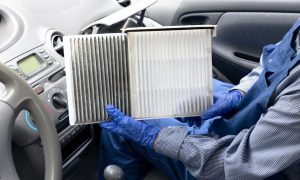
Checking the filters yourself takes just a few minutes. Pull the filter out, hold it against a light, and see how much debris it’s collected. If the light doesn’t pass through or the surface looks black and clogged, it’s time for a replacement.
How to Maintain These Filters
Maintaining these filters doesn’t require a mechanic’s skills. If you know how to open your car’s hood and use a screwdriver, you can replace both filters yourself. The process for the engine air filter is typically simple. Open the filter housing, remove the old one, drop in the new filter, and close it up again.
The cabin air filter might take a few more steps. In most cases, you’ll need to empty the glove box, unhook the sides to let it drop fully, and then access the rectangular filter housing behind it. Once you locate it, slide out the old filter and insert the new one, making sure to follow the airflow direction arrows printed on the edge.
Always buy the right filter for your car’s make and model. You can find this information in your owner’s manual or by searching online with your vehicle’s year, trim, and engine type. Cheap filters may seem like a bargain, but they often fail to trap fine particles and break down faster. High-quality filters, especially for the cabin, make a noticeable difference in air quality and system performance.
If you prefer not to do it yourself, ask your mechanic to check your filters during an oil change. Many dealerships and service centers include filter inspections in standard maintenance packages.
Cost of Replacing Each Filter
The good news is that replacing these filters doesn’t cost much. Engine air filters usually range from fifteen to fifty dollars. Cabin air filters are typically cheaper, falling between ten and forty dollars. If you do the labor yourself, that’s all you’ll spend. Having a mechanic install them might cost an additional thirty to seventy dollars depending on your location and vehicle type.
When you compare those numbers to the potential cost of engine repairs or HVAC system replacements, timely filter changes are an easy investment in your car’s health and your comfort.
Why You Shouldn’t Ignore Filter Maintenance
Neglecting filter changes might seem harmless, but it creates long-term problems. A clogged engine air filter makes your vehicle work harder and burn more fuel. Over time, that can trigger engine issues that are costly to diagnose and fix.
Likewise, an ignored cabin air filter doesn’t just make the car smell musty. It increases respiratory risks, reduces the effectiveness of the defrost setting, and may shorten the lifespan of your HVAC blower motor. It also contributes to a generally unpleasant driving experience, especially on long road trips or in allergy-heavy seasons.
Instead of waiting for problems, stay proactive. Set reminders on your calendar. Pair filter checks with tire rotations or seasonal maintenance. Even a simple glance every few months can prevent a bigger headache later on.
Conclusion
Both filters may look like simple pieces of pleated paper or fiber, but they perform vital jobs. The engine air filter keeps your engine breathing cleanly and running efficiently. The cabin air filter keeps you breathing cleanly and feeling comfortable while driving.
Although they sound similar, they differ in location, function, maintenance requirements, and the systems they serve. Ignoring either one creates avoidable problems and unnecessary costs.
If you haven’t checked your filters in a while, now is the time. Pull them out, inspect them, and replace them if they’re dirty. Your engine will run better. Your air will smell fresher. Your ride will feel smoother.
Filters may be small, but they carry big responsibility. Respect them, and your car will thank you for it—mile after mile.
FAQs
The engine air filter protects the engine by cleaning incoming air for combustion. The cabin air filter cleans air entering the interior, protecting passengers from dust and allergens.
The engine filter is under the hood near the engine. The cabin filter is usually behind the glove box or under the dashboard.
Yes. A dirty engine air filter can harm engine performance, and a clogged cabin filter can damage the HVAC system.
Engine air filters should be replaced every 15,000 to 30,000 miles. Cabin filters typically need replacement every 12,000 to 20,000 miles, depending on conditions.