How to Choose the Best Corporate Wellness App for Your Workforce and boost engagement, health, and ROI fast.
Workplace wellness is no longer a luxury. It’s a business necessity. Companies that ignore it often pay the price through burnout, low productivity, and high turnover.
But here’s the twist.
Not all wellness apps deliver results. Some look great on paper but fail in real life. Others promise engagement but barely get employees to log in after week one.
So how do you choose the right one?
This guide breaks it down in a practical, no-fluff way. You’ll learn what actually matters when selecting a corporate wellness app. From participant experience to investment value, every section is built to help you make a confident decision.
I’ll also weave in insights from real-world trends, including cybersecurity risks like identity theft and data breaches. Why? Because modern wellness apps handle sensitive data, that matters more than most companies realize.
Let’s get into it.
The Participant Experience
Why User Experience Determines Engagement
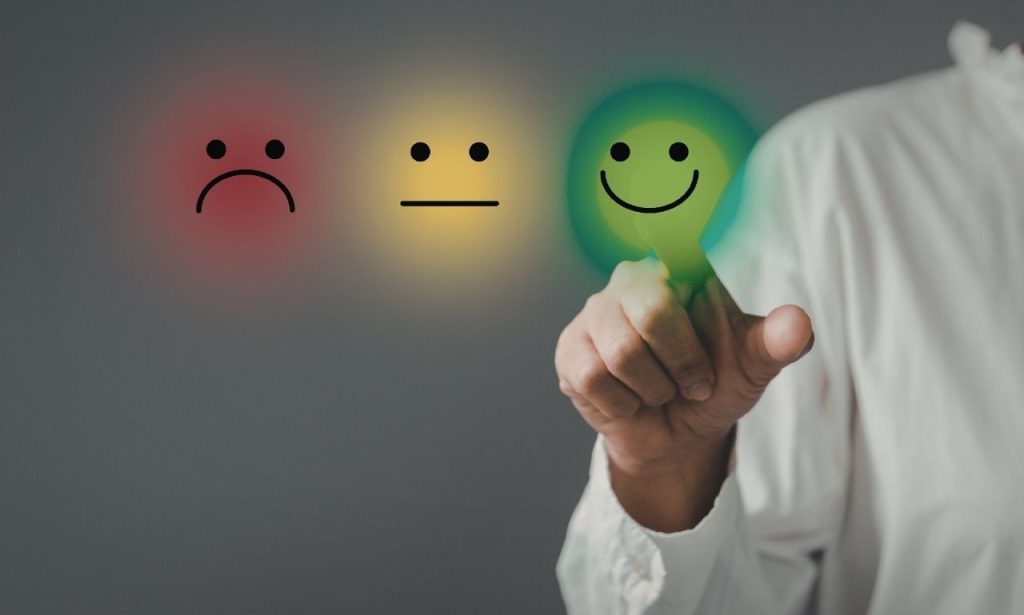
If your employees don’t enjoy using the app, nothing else matters.
You can have the best features in the world. But if the interface feels clunky, people will drop off fast. That’s exactly what I’ve seen with multiple mid-sized companies in Kenya and globally.
One HR manager shared this with me: their wellness platform had over 20 features, but only 12% of employees used it after three months.
The reason? Poor user experience.
A good wellness app should feel intuitive from day one. Employees shouldn’t need training to use it. The onboarding process should take minutes, not hours.
Think about apps people love. Social media, banking apps, even online shopping platforms. They all prioritize simplicity.
The same applies here.
A strong participant experience includes easy navigation, personalized dashboards, and clear progress tracking. Employees should instantly see their goals, achievements, and next steps.
And here’s something many companies overlook.
Gamification.
When users earn rewards, badges, or recognition, engagement spikes, which taps into basic human psychology; people love progress and competition.
But don’t overdo it. Too many notifications or complicated reward systems can backfire.
Personalization and Data Sensitivity
Employees want programs tailored to them. A 25-year-old remote worker has different needs than a 50-year-old executive.
That’s where personalization comes in.
The best apps use data to recommend fitness plans, mental health support, or nutrition advice. But this introduces a critical issue.
Data privacy.
Wellness apps often collect Personally Identifiable Information, including health insurance details and behavioral patterns. If mishandled, this data can lead to identity theft or even financial fraud.
We’ve seen global cases where poorly secured apps exposed Social Security numbers, credit card details, and even bank account data.
That’s not just a tech problem. It’s a trust problem.
Employees need to feel safe. They should know their personal information is protected using encryption, multifactor authentication, and strong password practices.
If your app provider can’t clearly explain how they protect sensitive data, walk away.
Programming Flexibility
Adapting to Diverse Workforce Needs
Your workforce is not one-size-fits-all. Your wellness program shouldn’t be either.
A flexible app allows you to create programs that fit different lifestyles, roles, and locations. This matters even more in hybrid and remote work environments.
For example, employees working from home may struggle with isolation. Office-based teams may deal with physical fatigue.
Your wellness app should address both.
Flexible programming means you can adjust challenges, timelines, and content. You should be able to run mental health campaigns one month and physical fitness challenges the next.
And here’s where many companies fail.
They choose rigid platforms.
These platforms offer pre-set programs that can’t be modified. That limits creativity and reduces relevance over time.
Flexibility also means scalability. As your company grows, your wellness program should grow with it.
Incorporating Security and Digital Awareness
Modern wellness programs are expanding beyond fitness.
They now include financial wellness, digital safety, and stress management. That’s a smart move.
Why? Because cyber threats are rising fast.
Employees today face phishing emails, malware attacks, and identity fraud risks daily. A wellness app that educates users about online safety adds real value.
Think about it.
Teaching employees how to avoid phishing scams or secure their credit reports isn’t just helpful. It protects your organization, too.
Some advanced platforms even integrate cybersecurity awareness modules. These include lessons on protecting Social Security cards, recognizing scam artists, and securing bank statements.
This kind of programming flexibility turns your wellness app into a holistic solution.
Solution Integration
Connecting with Existing Systems
Your wellness app should not operate in isolation.
It must integrate seamlessly with your existing systems. That includes HR platforms, payroll systems, and even IAM systems like Active Directory or Entra ID.
Why does this matter?
Because integration reduces friction.
Employees can log in using existing credentials. HR teams can track participation without manual data entry. Everything becomes smoother.
I’ve worked with companies that skipped this step. The result? Duplicate data, frustrated employees, and wasted time.
Integration also improves data accuracy. When systems talk to each other, you get better insights.
Security Integration and Risk Management
Here’s where things get serious.
When you integrate systems, you increase exposure. That means cybersecurity must be airtight.
Your wellness app should align with your organization’s security protocols. It should support secure login methods, including multifactor authentication.
Additionally, it should work with your existing security tools.
For example, integration with identity threat detection systems like CrowdStrike Falcon® Identity Threat Protection can help monitor suspicious activity.
Why is this important?
Because data breaches are costly, the average cost of a breach globally exceeded $4 million in recent reports.
And wellness apps often store sensitive data, such as Protected Health Information and financial details.
You don’t want that falling into the wrong hands.
Make sure your provider follows the standards set by organizations such as the Cybersecurity & Infrastructure Security Agency and the Department of Homeland Security.
Targeted Communication
Reaching the Right People at the Right Time
Communication drives engagement.
If employees don’t know what’s happening, they won’t participate. It’s that simple.
A strong wellness app allows targeted messaging. You can send different updates to different groups.
For example, remote teams might receive mental wellness tips. Sales teams might get fitness challenges tailored to their schedules.
This level of personalization increases relevance.
And relevance drives action.
Avoiding Communication Fatigue
Too many messages can be overwhelming.
We’ve all experienced notification overload. Emails, app alerts, social media updates. It adds up quickly.
A good wellness app avoids this trap.
It uses smart algorithms to send messages at the right time. It also allows employees to customize notification preferences.
Another key aspect is content quality.
Messages should be clear, concise, and valuable. Avoid generic updates. Focus on actionable insights.
For instance, instead of saying “Stay healthy,” offer specific tips, such as improving sleep habits or reducing screen time.
Educating About Digital Threats
Communication can also serve a protective role.
Employees should be aware of risks such as phishing emails, online fraud, and identity theft, and should be protected by appropriate strategies.
Wellness apps can include educational content on these topics. This helps employees stay safe in the digital world.
It also builds trust.
When employees see that your company cares about their overall well-being, including online privacy, they are more likely to engage.
Brand Trust
Why Trust Drives Adoption
Trust is everything.
If employees don’t trust the app, they won’t use it. It doesn’t matter how advanced the features are.
Trust starts with transparency.
Your provider should clearly explain how they handle data. This includes how they store, process, and protect sensitive information.
Look for certifications and compliance standards. These show that the provider takes security seriously.
Real-World Lessons from Data Breaches
Let’s talk about reality.
Major data breaches have exposed millions of records globally. From credit card numbers to medical services data, nothing is immune.
Organizations like the Federal Trade Commission and the Federal Bureau of Investigation regularly warn about rising cyber threats.
When employees hear about these incidents, they become cautious.
That’s not a bad thing.
It means they are aware.
But it also means your wellness app must meet high standards.
Building Confidence Through Security
To build trust, your app should include strong security features.
These include encryption, secure login systems, and regular security patches.
It should also provide tools such as account alerts and integrations with credit monitoring services.
Some platforms even offer identity restoration support in the event of a breach.
That’s a powerful trust builder.
Employees feel protected. And when people feel safe, they engage more.
Client and Participant Support
Why Support Matters More Than You Think
Even the best apps need support.
Employees will have questions. HR teams will need assistance. Issues will arise.
What matters is how quickly and effectively those issues are resolved.
A strong support system includes multiple channels. Live chat, email, and phone support should all be available.
Response time is critical.
If employees wait days for answers, frustration builds. Engagement drops.
Training and Onboarding
Support doesn’t stop at troubleshooting.
It starts with onboarding.
Your provider should offer training sessions for both employees and administrators. This ensures everyone understands how to use the platform.
Good onboarding increases adoption rates significantly.
I’ve seen companies double engagement simply by improving onboarding processes.
Support for Security Concerns
Support should also cover security issues.
If an employee suspects identity fraud or receives phishing emails, they should know where to turn.
Some wellness platforms guide handling cyber threats. This includes reporting incidents and protecting personal data.
That’s a huge advantage.
It turns your wellness app into a safety net.
Investment Value
Measuring ROI Beyond Cost

Let’s talk money.
Many companies focus only on cost when choosing a wellness app. That’s a mistake.
You should focus on value.
A cheaper app that delivers poor results is more expensive in the long run. A slightly higher investment that improves productivity and reduces absenteeism is worth it.
Real Business Impact
Research shows that companies with strong wellness programs see measurable benefits.
Lower healthcare costs. Higher employee satisfaction. Improved performance.
One global study found that every dollar invested in wellness programs can return up to $3 in reduced healthcare costs.
That’s significant.
Hidden Value in Risk Reduction
There’s another layer to consider.
Risk reduction.
A secure wellness app reduces the risk of data breaches and identity theft incidents. That protects both employees and the organization.
Think about the cost of a cyber attack.
Financial losses, reputational damage, and legal issues. It adds up quickly.
Investing in a secure, high-quality wellness app helps mitigate these risks.
Long-Term Sustainability
Finally, think long-term.
Your wellness program should evolve with your organization. Choose a provider that invests in innovation.
Look for features like AI-driven personalization, integration with SaaS applications, and continuous updates.
This ensures your investment remains valuable over time.
Conclusion
Choosing the right corporate wellness app isn’t just about features.
It’s about impact.
You need a solution that engages employees, protects their data, and delivers measurable results. That means focusing on participant experience, flexibility, integration, communication, trust, support, and value.
Don’t rush the decision.
Ask questions. Test platforms. Involve your employees in the process.
And most importantly, think beyond today.
The best wellness apps don’t just improve health. They strengthen your entire organization.
So, what’s your next move?
FAQs
Top platforms use encryption, multifactor authentication, and secure servers. They also follow global cybersecurity standards.
Yes, many apps include education on identity theft protection, phishing scams, and online safety practices.
Absolutely. Companies often see reduced healthcare costs, improved productivity, and higher employee satisfaction.
Most organizations start seeing improvements in engagement within a few months. Long-term benefits build over time.