Living rent-free in one of the world’s most expensive cities sounds like a dream. But what if it isn’t? If you’re curious about how to become a house sitter in Singapore, you’re not alone.
This option has grown in popularity with both locals and travelers. The appeal is simple: free lodging in exchange for basic care of someone’s home and possibly their pets.
In this article, we’ll explore how house sitting works in Singapore. We’ll also break down the best platforms and key safety tips. If you’re seeking adventure without breaking the bank, this could be your perfect gig.
What is a House Sitter?
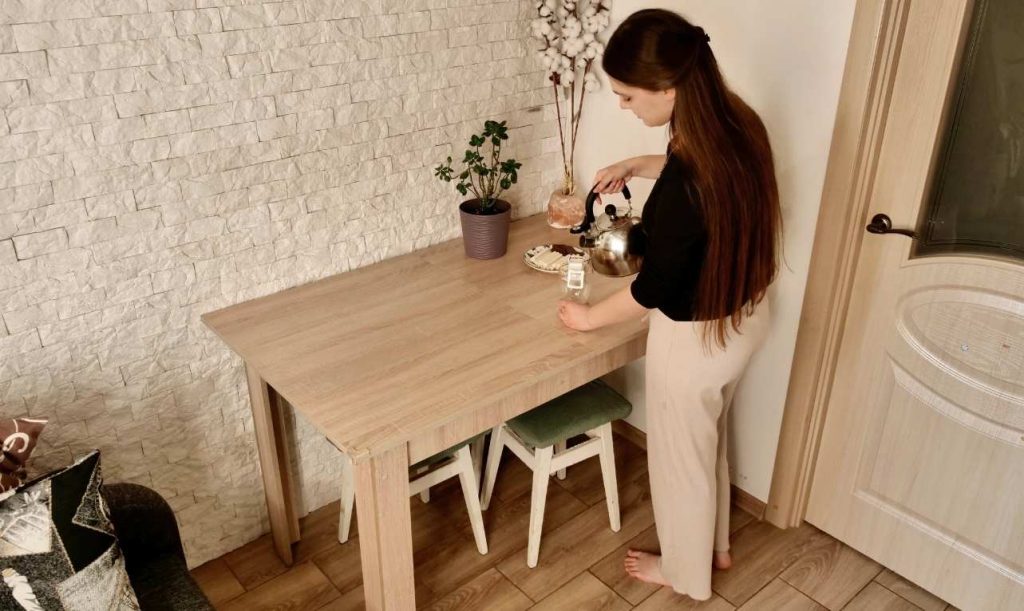
A house sitter is someone who takes care of a home while the owner is away. This might involve feeding pets, watering plants, or collecting mail. In many cases, pet care is the main reason homeowners look for sitters.
House sitting is a mutual exchange. The sitter enjoys free accommodation, and the homeowner enjoys peace of mind. There’s no money involved in most arrangements, just trust and responsibility.
Singapore, known for its high rental costs, makes house sitting especially attractive. Expats, digital nomads, and even locals see it as a clever way to live affordably. You get to explore the city while someone else trusts you with their space.
How to Become a House Sitter in Singapore
You don’t need a fancy resume to start house sitting. But you do need to build trust and show reliability. Start by creating a strong profile on house sitting websites.
Upload a clear photo, write a warm bio, and explain why you’re a good sitter. Highlight any pet care or house sitting experience you have. Even if you’re new, show your interest, sense of responsibility, and attention to detail.
Ask for references from past landlords or employers if needed. A clean police record helps build trust with homeowners. Once your profile is ready, start applying for listings in Singapore. Read each homeowner’s request carefully and respond personally. Don’t send copy-paste messages. Tailor your replies to each opportunity.
Now, let’s look at the most popular platforms you can use.
Trusted Housesitters
Trusted Housesitters is one of the biggest names in this space. It connects sitters with homeowners around the world, including Singapore. After paying a yearly membership fee, you can access all available listings. You can apply to as many sits as you like during your membership.
Homeowners tend to post detailed profiles, often with pet photos. Sitters can also leave reviews after each stay, building their credibility. The more positive reviews you collect, the easier it gets to land new gigs.
Trusted Housesitters has a strong reputation for safety and customer support. It’s a solid platform for beginners looking to gain their first few sits.
HouseCarers
HouseCarers is another platform where you can learn how to become a house sitter in Singapore. This site has been around since 2000 and has a loyal user base. The signup process is simple. You create a profile, set your availability, and apply for listings.
Unlike other platforms, HouseCarers lets you filter by country and duration. That’s useful if you’re only looking for short-term sits or pet-free options. The annual fee is lower than some other platforms. If you’re trying to house sit on a budget, this is a practical place to start.
While the listings in Singapore may not be as frequent, opportunities do appear. Set up alerts so you can apply quickly when something opens up.
Nomador
Nomador stands out with its global feel and unique trust features. It’s popular in Europe but also covers Asia, including Singapore. The platform emphasizes community and responsible travel. It encourages both parties to build trust through transparency.
Nomador offers a free trial with limited applications. You can test the waters before committing to a full membership. Each profile has a “trust score,” which grows as you complete more sits. Photos, verification badges, and references all contribute to your credibility.
Homeowners often write thoughtful sit descriptions, making the process more personal. If you’re looking for a more human-centered platform, this could be a good fit.
MindMyHouse
MindMyHouse is one of the most affordable options. With a low annual fee, it provides access to global listings, including in Singapore. Its interface is simple, though not as flashy as other platforms. But the value lies in its low cost and straightforward process.
You can search listings by region, duration, or pet requirements. This makes it easy to find house sits that match your lifestyle. Reviews from sitters suggest that patience is key. Singapore listings do pop up, but they may be limited.
It’s still worth signing up, especially if you’re exploring multiple countries. You never know when the right listing will appear.
Facebook Groups
Don’t underestimate the power of social media. Facebook groups can be goldmines for house sitting gigs in Singapore. Join groups focused on expats, pet care, and house sitting in Southeast Asia. Post an introduction with a photo, your availability, and experience.
Many homeowners prefer informal arrangements and use Facebook instead of paid platforms. These gigs often come from mutual friends or community referrals. Be polite and responsive when messaging group members. Keep your profile public enough to show you’re a real, trustworthy person.
Scams exist, so always double-check the offer and never send money. If a post feels off, it probably is. Trust your instincts. These informal channels can open doors, especially if you live in Singapore already.
Is Singapore Safe?
Singapore is one of the safest cities in the world. House sitting here is generally low-risk, especially in residential areas. Crime rates are low, and neighborhoods are well maintained. Public transport is reliable and makes getting around easy.
Still, use caution as you would anywhere else. Meet homeowners in public places if possible before confirming a sit. Ask for emergency contacts and house instructions in writing.
Save important numbers and know how to contact local authorities.
If pets are involved, clarify feeding routines and vet contact details. This helps prevent confusion and shows you’re professional. Safety also includes respecting cultural norms. Be aware of house rules and treat the space as your own.
Personal Experience from a Local Sitter
A friend of mine started house sitting in Singapore last year. She wanted to cut housing costs while finishing her studies. Her first gig came through a Facebook group.
The owner had two cats and needed someone for two weeks.
She created a simple but friendly profile with a smiling photo. After a quick video call, she got the job. She now has five successful sits under her belt. Each one added more credibility to her profile.
House sitting has helped her save money and experience different neighborhoods. She’s even thinking of doing it full-time after graduation. Her advice? Be kind, reliable, and flexible. It opens doors.
Conclusion
Learning how to become a house sitter in Singapore isn’t hard, but it takes effort.
You need to show you’re trustworthy, responsive, and thoughtful. Platforms like Trusted Housesitters, HouseCarers, Nomador, and MindMyHouse provide solid starting points.
Facebook groups offer informal but rewarding opportunities.
Singapore offers safety, great transport, and a variety of homes to sit. If you love pets, enjoy quiet spaces, or just want to save on rent, try it. Create a profile, send tailored applications, and build your house sitting journey one home at a time. You never know whose home might be your next adventure.
Also Read: The Best Ways to Celebrate Christmas in New Orleans
FAQs
Yes, you must follow Singapore’s immigration rules. A tourist visa may be enough for short sits.
Most house sits are unpaid. It’s an exchange of services, not a job.
They exist, but they’re competitive. Join early and stay active on platforms.
Often, yes. Most house sits involve pet care, especially for cats and dogs.