Two vehicles can travel the same distance over several years yet require brake replacements at very different intervals. One driver may cover thousands of miles without noticing significant brake wear, while another needs new pads much sooner. The difference is rarely explained by mileage alone. Driving conditions, braking habits, vehicle weight, and mechanical factors all influence how quickly braking components deteriorate.
Brake Wear Depends on More Than Distance Traveled
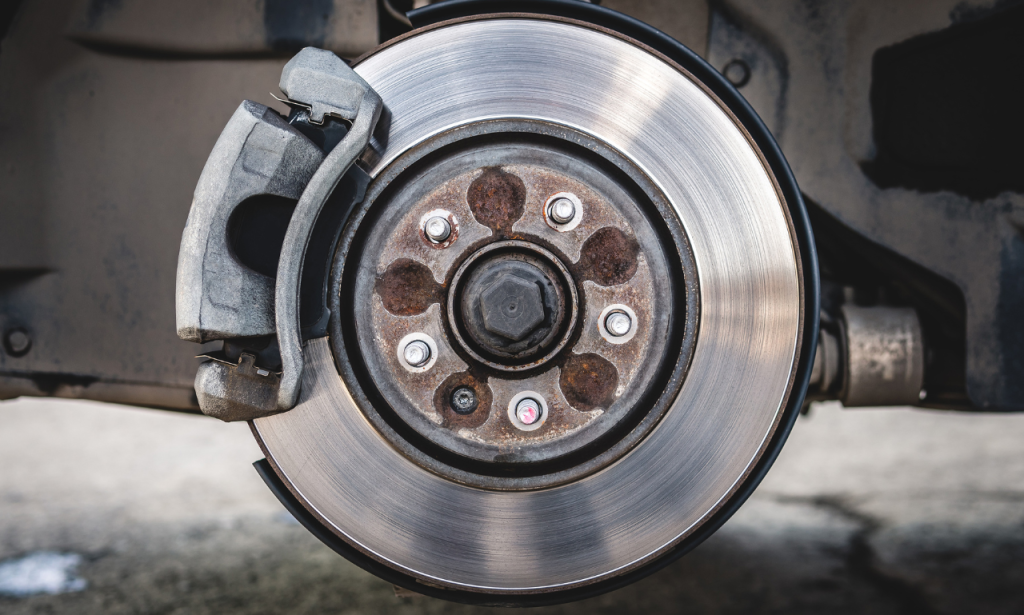
Mileage is commonly used to estimate when vehicle components may require maintenance. It provides a convenient indication of how extensively a car has been used, but it does not capture the conditions under which that use occurred.
Brakes are particularly sensitive to driving patterns because their primary function is to slow a moving vehicle by converting kinetic energy into heat.
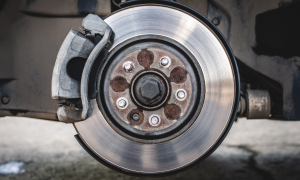
In conventional friction braking systems, brake pads press against rotating discs, or brake shoes press against drums. This contact creates friction, which gradually wears the components.
The amount of wear depends partly on how frequently the brakes are applied and how much energy they must absorb.
A vehicle traveling 20,000 miles on relatively open highways may require far fewer braking events than one covering the same distance in congested urban traffic.
Although both vehicles accumulate identical mileage, their braking systems experience different workloads.
This explains why distance alone is an unreliable predictor of brake pad lifespan.
City Driving Creates More Frequent Braking Events
Urban traffic places substantial demands on braking systems.
Drivers encounter traffic lights, pedestrian crossings, intersections, speed bumps, and frequent changes in vehicle speed.
Each stop requires the brakes to absorb some of the vehicle’s kinetic energy.
During congested journeys, drivers may repeatedly accelerate and brake over short distances.
These cycles increase the frequency of friction between brake pads and discs.
Highway driving generally involves fewer stops when traffic moves consistently.
A driver maintaining a steady speed for long periods may use the brakes only occasionally.
Consequently, two cars covering similar distances can experience very different levels of brake wear.
The difference becomes especially noticeable when one vehicle is used primarily for commuting through heavy traffic.
Frequent stopping does not automatically indicate poor driving. It is often an unavoidable consequence of the environment.
However, it helps explain why urban vehicles may require brake servicing sooner than those used mainly on open roads.
Aggressive Braking Increases Heat and Friction
Driving behavior influences the intensity of braking.
A driver who accelerates rapidly and brakes sharply may place greater demands on the braking system than someone who anticipates traffic changes and slows gradually.
Hard braking requires the system to dissipate substantial energy over a relatively short period.
This can produce high temperatures at the contact surfaces.
Brake components are designed to withstand considerable heat, but repeated severe braking can accelerate certain forms of wear.
Temperature changes may also influence the condition of brake pads and discs.
The effects depend on the materials used, vehicle design, and severity of the braking events.
A single emergency stop does not necessarily cause meaningful damage to a properly functioning braking system.
The concern is repeated unnecessary heavy braking during everyday driving.
Maintaining appropriate following distances and anticipating traffic movement can reduce the frequency of abrupt stops without compromising safety.
Vehicle Weight Changes the Work Brakes Must Perform
A heavier vehicle generally requires more energy to be removed when slowing from a given speed.
This is because kinetic energy increases with vehicle mass.
A fully loaded vehicle therefore places greater demands on its braking system than the same vehicle carrying only its driver, assuming similar speed and conditions.
Additional passengers, luggage, cargo, and towing loads can influence braking requirements.
However, heavier vehicles are often equipped with braking systems designed to accommodate their weight.
Brake wear cannot be predicted simply by comparing vehicle masses.
Component size, pad material, brake balance, and driving conditions also matter.
A well-designed braking system on a larger vehicle may perform reliably for extended periods.
Nevertheless, regularly carrying heavy loads can increase the energy that the brakes must manage.
Drivers who frequently transport cargo or tow trailers may experience different maintenance requirements from those using similar vehicles under lighter conditions.
High Speeds Increase Braking Demands
Speed has a particularly important relationship with braking energy.
A moving vehicle possesses kinetic energy, which increases with the square of its speed.
This means that doubling speed results in approximately four times the kinetic energy when vehicle mass remains constant.
If the vehicle must slow to a stop, that additional energy must be dissipated through braking and other resistance forces.
The relationship helps explain why repeated braking from high speeds can generate substantial heat.
A driver frequently accelerating to higher speeds before stopping may expose the brakes to more demanding conditions than someone maintaining moderate speeds.
High-speed braking can also increase the likelihood of thermal stress.
Modern braking systems are engineered to manage significant loads, but their capacity is not unlimited.
Repeated intense braking may accelerate wear or affect performance when temperatures become excessive.
Smooth speed management can reduce unnecessary braking demands while supporting safer driving.
Hilly Roads Can Accelerate Brake Wear
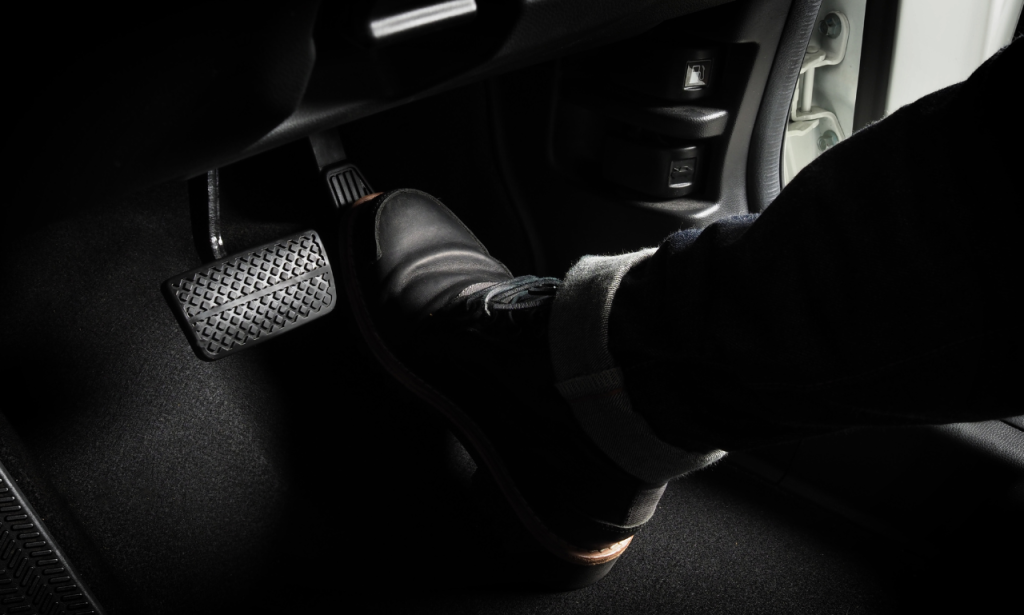
Road gradient affects how much work the brakes must perform.
When a vehicle travels downhill, gravity contributes to its movement.
The braking system may need to control speed continuously or repeatedly, particularly on long descents.
This can generate considerable heat.
A vehicle driven regularly through mountainous terrain may therefore experience different brake wear patterns from one used mainly on level roads.
The effect depends on slope steepness, vehicle weight, speed, and braking technique.
Using an appropriate lower gear can help control downhill speed through engine braking, reducing reliance on friction brakes.
Some vehicles also provide dedicated descent-control features.
However, drivers should follow manufacturer guidance because operating procedures differ among transmissions and vehicle types.
Riding the brakes continuously during extended descents can contribute to overheating.
Managing speed appropriately before and during a descent helps reduce excessive braking demands.
Brake Pad Materials Have Different Wear Characteristics
Not all brake pads are manufactured from identical materials.
Common formulations include ceramic, semi-metallic, and various organic friction materials.
Each formulation is designed to balance characteristics such as braking performance, noise, heat tolerance, cost, and wear.
Some materials may produce less visible dust, while others offer different performance characteristics under demanding conditions.
However, no single pad category is automatically the longest-lasting choice for every vehicle.
Performance depends on the specific formulation, operating conditions, and compatibility with the braking system.
Brake pads also interact with discs.
A pad that wears slowly may not necessarily produce the lowest total maintenance cost if it contributes to greater disc wear under particular conditions.
Replacement components should meet the vehicle manufacturer’s specifications.
Choosing pads solely because they are advertised as durable may overlook other important braking characteristics.
Brake Disc Condition Influences Pad Wear
Brake pads and discs operate together as a friction pair.
The condition of one component can influence the performance and wear of the other.
A disc with significant surface irregularities may produce uneven contact with the brake pad.
Corrosion, scoring, and excessive runout can also affect braking behavior.
In some circumstances, uneven contact may contribute to vibration, noise, or irregular pad wear.
Disc condition can deteriorate for several reasons, including prolonged exposure to moisture, excessive heat, and mechanical problems.
Light surface rust after parking in damp conditions is often removed during ordinary braking.
More serious corrosion may require inspection.
Replacing worn brake pads without addressing damaged discs can leave the underlying problem unresolved.
A proper brake inspection should consider the condition of the complete assembly rather than treating pads as isolated components.
Sticking Calipers Can Cause Premature Wear
Brake calipers contain mechanisms that allow pads to apply pressure to the discs and release appropriately.
When a caliper or its sliding components do not operate correctly, the pads may remain in contact with the disc more than intended.
This can create continuous friction.
The affected brake may generate excessive heat and wear faster than the others.
Drivers might notice unusual odors, pulling during braking, or differences in wheel temperature.
However, these symptoms are not exclusive to caliper problems.
Uneven pad wear can also result from damaged hardware, restricted movement, or other mechanical faults.
A sticking caliper should be inspected promptly because it can affect braking performance and potentially damage other components.
Regular servicing and appropriate lubrication of specified moving parts can help maintain correct operation.
Brake friction surfaces themselves must never be contaminated with lubricant.
Rear and Front Brakes Often Wear Differently
Front and rear brakes do not necessarily experience equal workloads.
During braking, vehicle weight transfers forward, increasing the load supported by the front tires.
For many conventional passenger vehicles, the front brakes perform a substantial share of the braking work.
This can contribute to faster front pad wear.
However, brake distribution depends on vehicle design.
Electronic brake-force distribution, regenerative braking, stability-control functions, and other systems can influence how braking forces are managed.
Some vehicles may experience unexpectedly high rear brake wear because of their specific control strategies or operating conditions.
The assumption that front pads must always wear faster is therefore unreliable.
Maintenance decisions should be based on actual inspection rather than general expectations.
Comparing pad thickness across all wheels can help identify normal differences and potentially abnormal wear patterns.
Regenerative Braking Changes Wear Patterns
Hybrid and electric vehicles often use regenerative braking to recover some of the energy normally lost during deceleration.
During regenerative braking, the electric motor operates as a generator and helps slow the vehicle while transferring energy to the battery.
This can reduce reliance on conventional friction brakes.
As a result, some electrified vehicles may experience slower brake pad wear under suitable conditions.
However, regenerative braking does not eliminate the need for friction brakes.
Conventional brakes remain necessary for situations such as strong deceleration, low-speed stopping, and conditions where regeneration is limited.
The balance between regenerative and friction braking varies among vehicles.
Battery charge level, temperature, traction conditions, and system design can influence how much regeneration is available.
Reduced friction-brake use can also create maintenance considerations.
In damp or salty environments, brake discs may develop corrosion when they are used less frequently.
Regular inspection remains important even when pad wear is relatively low.
Poor Driving Habits Can Produce Uneven Wear
Some driving habits place unnecessary demands on braking components.
Resting a foot on the brake pedal while driving can cause light brake application in certain circumstances.
Repeated unnecessary braking may also increase heat and wear.
However, not every difference in braking behavior is a matter of driver technique.
Traffic conditions, road design, vehicle characteristics, and safety requirements strongly influence how often brakes are used.
A driver navigating steep urban streets cannot reasonably avoid braking as frequently as someone traveling on an empty highway.
The most useful approach is to avoid unnecessary brake application while responding appropriately to actual road conditions.
Smooth acceleration, adequate following distances, and anticipation of traffic movement can reduce avoidable braking.
Safety must remain the priority.
Drivers should never delay necessary braking merely to extend component lifespan.
Maintenance Practices Affect Brake Longevity
Brake systems require periodic inspection because their components deteriorate through use and environmental exposure.
Maintenance schedules vary by vehicle manufacturer and operating conditions.
Routine checks can identify worn pads, damaged discs, leaking components, and abnormal wear patterns.
Brake fluid condition is also important.
Many brake fluids absorb moisture over time, which can affect performance and contribute to internal corrosion.
Fluid replacement intervals should follow the manufacturer’s recommendations.
Keeping braking components in proper condition can prevent minor problems from developing into more expensive repairs.
For example, identifying a sticking caliper early may prevent unnecessary damage to pads and discs.
Maintenance does not eliminate normal wear.
Instead, it helps ensure that components deteriorate predictably and that the braking system remains safe and effective.
Mileage Alone Cannot Determine Replacement Intervals
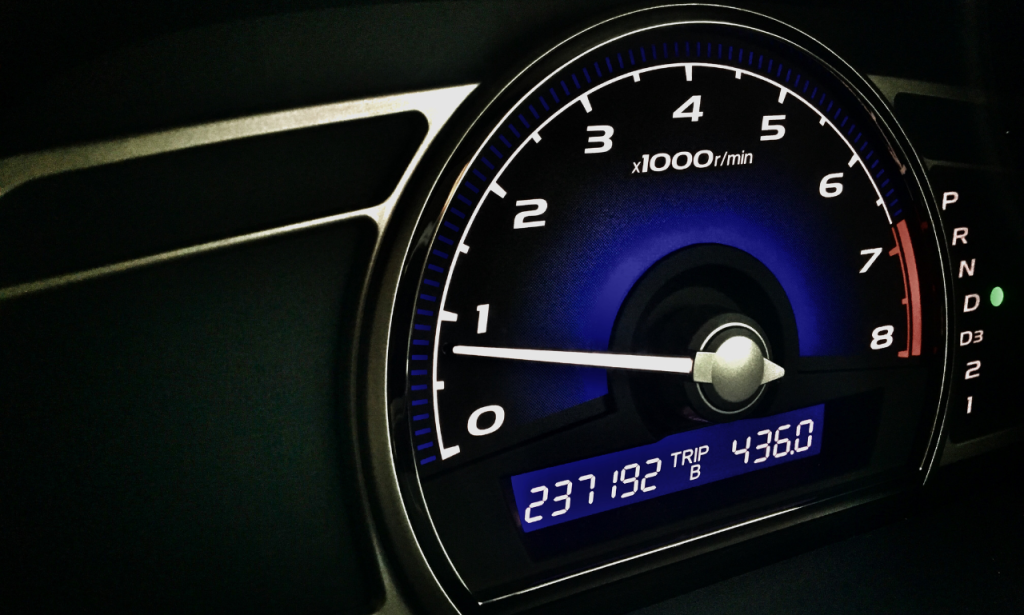
Brake pad replacement intervals vary widely.
Some vehicles require new pads relatively early, while others operate much longer before replacement becomes necessary.
There is no universal mileage figure that accurately applies to every vehicle.
Driving conditions, pad materials, vehicle weight, braking-system design, and maintenance history all influence service life.
This is why two cars with similar odometer readings can have substantially different brake conditions.
The thickness of the friction material provides a more direct indication of pad wear than mileage alone.
However, inspection should also consider uneven wear, disc condition, and mechanical operation.
Warning lights, unusual noises, changes in pedal feel, or reduced braking performance may indicate problems requiring attention.
A vehicle should not be driven with suspected serious brake defects.
Professional inspection is appropriate whenever braking behavior changes unexpectedly.
Conclusion
Car brakes wear out faster under some conditions because mileage does not reflect the full workload experienced by the braking system. Urban traffic, frequent stopping, heavy loads, high speeds, and steep roads can all increase braking demands.
Mechanical condition and component design also influence durability. Brake pad materials, disc surfaces, caliper operation, and regenerative braking systems help explain why similar vehicles may have different maintenance requirements.
The relationship between driving behavior and brake wear is important, but it should not encourage drivers to avoid necessary braking. Safe speed management, adequate following distances, and appropriate maintenance are more valuable than attempting to maximize pad lifespan at the expense of control.
Ultimately, brake condition is best assessed through inspection rather than mileage estimates alone. Understanding the factors that influence wear helps drivers recognize why replacement intervals vary and why reliable braking depends on the condition of the entire system.
Also Read: Why Do Some Car Problems Disappear Before a Mechanic Checks Them?
FAQs
Frequent stops and repeated braking cycles create more friction and heat than steady driving on open highways.
They can place greater demands on brakes, although actual wear also depends on braking-system design, driving conditions, and component materials.
Yes. Regenerative braking can reduce friction-brake use, although conventional brakes still require inspection and maintenance.
A brake inspection can assess pad thickness, uneven wear, disc condition, and other problems. Unusual noises or changes in braking performance also warrant attention.