Nobody hands you a career roadmap. Most people figure it out by trial and error, and the occasional conversation with someone who’s been through it. Whether you’re just getting started or leading a team after twenty years, expert tips and advice for all stages of your career are worth revisiting — because the rules change as you grow.
The Five Stages of Career Development
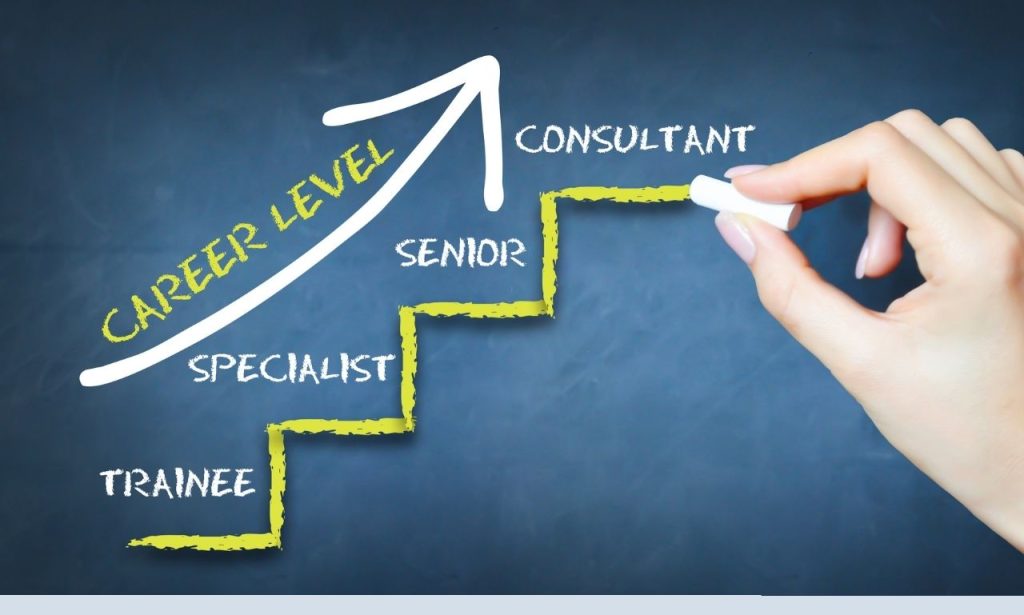
Career development theory has long recognized that professionals move through five broad stages: exploration, establishment, mid-career, maintenance, and late career. These aren’t rigid boxes tied to age, but they do reflect how priorities, challenges, and motivations tend to shift over time. Understanding which stage you’re currently in helps you ask better questions and make smarter moves — rather than applying advice that’s designed for a different chapter entirely.
The exploration stage, typically covering the early twenties, is where most people are still figuring out what they actually want. It’s less about mastery and more about exposure. Taking internships, trying different roles, and paying attention to what energizes versus drains you will tell you far more than any personality assessment.
How to Build a Strong Foundation Early in Your Career
The establishment stage is where careers are genuinely made or lost. This is your first decade of permanent employment, and the habits you develop here tend to stick. One of the most underrated moves during this period is cultivating a beginner’s mindset — not performatively, but genuinely. Asking questions, shadowing colleagues in different functions, and treating every project as a source of something learnable gives you an edge that pure ambition doesn’t.
Setting goals that are specific, measurable, achievable, relevant, and time-bound helps keep you motivated and focused at every point in your career. This matters most early on, when it’s easy to drift or say yes to every opportunity without a clear thread connecting them. Having direction — even a rough one — means your energy compounds rather than scatters.
Advancing Your Career in the Mid-Career Stage
Somewhere between your mid-thirties and mid-forties, many professionals hit what feels like a wall. The promotions that came relatively quickly in your twenties slow down. The path forward becomes less obvious. This is normal — but it requires a different approach.
The mid-career stage calls for expanding leadership skills including team management, strategic planning, and effective communication, and considering advanced degrees or certifications to deepen expertise and open new opportunities. The professionals who advance through this stage successfully are rarely the ones who work harder in the conventional sense. They’re the ones who shift from being individual contributors to becoming people who make other people better. That shift in identity — from “the expert” to “the enabler” — is often what unlocks the next level.
This is also the stage where re-evaluating your direction is not just acceptable, it’s wise. Many people discover at forty that the role or industry they started in no longer fits who they’ve become. Acting on that realization takes courage, but it’s far better than grinding through another decade in something that stopped serving you years ago.
Why Networking Matters More Than Most People Admit
Professional networking has a reputation problem. Most people picture awkward conference rooms and rehearsed elevator pitches. The reality is far more human and far more useful than that. A strong professional network can generate referrals, connect you with hiring managers, surface unadvertised job opportunities, and give you access to mentoring and career advice from experienced professionals.
The best networking doesn’t feel like networking at all — it feels like maintaining genuine relationships with people you respect. That means following up after a good conversation, sharing relevant information without expecting something in return, and staying visible in your field even when you’re not actively job-searching. Being strategic with networking means keeping your career goals in mind and looking for connections that align with your aspirations rather than simply casting a wide net.
LinkedIn remains one of the most practical tools for this, but it only works if you’re using it actively — sharing perspectives, engaging with others’ posts, and keeping your profile current. A dormant profile won’t generate opportunities.
Finding a Mentor and Making the Most of the Relationship
Career advice can come in many forms — whether from a mentor advising on skill development, a colleague sharing experiences, or your own self-reflection as you align decisions with long-term aspirations — and this guidance gives a sense of direction that helps achieve genuine fulfillment. Finding a good mentor is one of the highest-value moves you can make, yet many people either never pursue it or approach it in a way that rarely leads anywhere.
The most effective approach is specific and low-pressure. Rather than asking someone to “be your mentor” — a request that can feel vague and burdensome — try asking for a single conversation about a particular challenge you’re facing. If the exchange is valuable, a mentoring relationship often develops naturally from there.
A mentor is different from a sponsor. Mentors give you advice; sponsors advocate for you when you’re not in the room. Both matter, and both need to be cultivated over time through trust and demonstrated performance.
Continuous Learning and Why Staying Current Is Non-Negotiable
Continuous learning keeps you flexible, adaptable, and valued — attending professional development events and training sessions is one of the most practical ways to stay current regardless of where you are in your career. This doesn’t have to mean expensive degrees. Online certifications, industry conferences, well-selected newsletters, and even structured conversations with peers in adjacent fields all count.
Continuing education — whether through an advanced degree, an online certificate, or employer-sponsored training — helps professionals stay current with industry trends and positions them for long-term career success. Many employers will fund professional development if you ask. Most people don’t ask.
The danger in the mid-to-late career stage is assuming that experience alone is sufficient. It isn’t. Every industry is changing faster than at any prior point, and professionals who stop learning become vulnerable — not because they lack knowledge, but because their knowledge stops being current.
Professional development is no longer linear — plenty of brilliant people started out in jobs they hated or took paths that weren’t right at first, and with hard work and dedication, finding the right direction is always possible. Career changes are no longer unusual. In many fields, they’re expected. What matters is how you position the change — both to yourself and to prospective employers.
Changing careers often begins with upgrading your education through certifications, degrees, or specialized training, which can be pursued alongside your current role through online classes or weekend programs. Identifying transferable skills is equally important. Leadership, project management, communication, and analytical thinking move across industries in ways that many career changers underestimate. The key is articulating how your existing experience applies to a new context — rather than treating it as something to apologize for or paper over.
Salary Negotiation
Most professionals underearn not because the market won’t support higher pay, but because they never ask. Effort and output don’t always translate into recognition or reward unless paired with negotiation — developing this skill can shape a career, influencing salaries, promotions, and the opportunities that come your way.
Salary negotiation is most effective when grounded in research. Using resources like Glassdoor, Salary.com, and industry-specific surveys gives you credible anchors for conversations that would otherwise feel uncomfortable. The principle is simple: know your market rate, be able to articulate your value, and understand that a single negotiation — done well — can have compounding effects on every raise and role that follows.
Recognizing and Recovering from Career Burnout
Burnout is not just exhaustion. It’s a sustained depletion of engagement, motivation, and identity around your work. It often develops slowly, through years of overcommitment, unacknowledged stress, or work that has stopped feeling meaningful. Knowing the signs early — persistent cynicism, declining performance despite effort, physical symptoms that don’t resolve with rest — can make the difference between a difficult season and a genuine derailment.
What feels energizing in spare time can feel draining under deadlines — passion is important, but so is market demand and sustainability. Recovery from burnout usually requires more than a holiday. It often involves recalibrating boundaries, addressing root causes rather than symptoms, and sometimes making structural changes to the role, organization, or career path itself.
Late Career
In the late career stage, delegation and mentoring younger colleagues help their development and reduce workload, while exploring flexible arrangements and prioritizing health and hobbies contribute to broader well-being. This is a stage that many professionals approach reactively — waiting until retirement is imminent before considering what the transition will look like. A more intentional approach involves thinking years ahead about knowledge transfer, financial readiness, and what a meaningful post-career life could look like.
For many people, this stage also opens doors to encore careers: consulting roles, board positions, advisory work, or entirely new pursuits built on the skills and credibility of a full career. These second acts are increasingly common and, for those who plan them well, deeply rewarding.
Conclusion
Expert tips and advice for all stages of your career ultimately come down to one underlying principle: your career is an evolving project, not a fixed destination. Measuring yourself against where you started — seeing the progress made rather than focusing only on the gap that remains — can make all the difference in how you experience the journey. The professionals who thrive across decades are rarely those who had the best plan from the start. They’re the ones who stayed curious, adapted when it was hard, and kept investing in their own development long after they could have stopped.
Also Read: 7 Important Reasons to Hire a Private Tutor for Your Child
FAQs
Adaptability remains one of the most valuable skills because industries, technology, and workplace expectations change constantly.
Professionals should improve skills continuously, especially in areas tied to communication, technology, and leadership.
Persistent dissatisfaction, limited growth, declining industry opportunities, or major value changes often signal it may be time to explore a different direction.
Yes. Many job opportunities and promotions still happen through trusted professional relationships rather than public applications.